



By Adedoyin Oguntade
In the shadowy depths of the night of Tuesday, 22 June, Adekunle Tolani, an off-campus student of the Federal University of Technology, Akure (FUTA) in Ondo State, was jolted awake by strange noises at his hostel around the North Gate area. It was not unfamiliar. Another robbery was unfolding.
Moments later, armed men forced their way into his room. One of them pointed a gun at him and demanded his phone. With no room for resistance, Mr Tolani handed it over.
“After I gave them the phone, they locked me inside the toilet,” he recalled. The attackers did not stop there. During the same operation, they made away with another resident’s car.
For Mr Tolani, the incident was deeply traumatic and for many students across Nigeria’s tertiary institutions, it is increasingly becoming a grim routine, as armed robberies continue to encroach on student communities with alarming regularity.
The larger picture
Insecurity remains one of Nigeria’s most pressing challenges, with incidents of kidnapping, violent attacks by terrorists locally referred to as bandits, and armed robbery gradually spilling into students’ communities.
On Tuesday, 2 December, gunmen abducted four Rivers State students from their campus in Rumuohia community, Emohua Local Government Area. The incident followed earlier reports of rape, robbery and other criminal activities targeting students in the area.
While many tertiary institutions attempt to secure on-campus facilities, students living off campus are largely left to the protection of the Nigeria Police Force, often with limited results.
Success Ogunlana, a student of Obafemi Awolowo University (OAU), Ile-Ife, was robbed in his off-campus hostel at Moremi Estate in October. His window net was torn, and his laptop stolen. “It was around 4:00 a.m. when the thief tore the net and took my laptop,” he said.
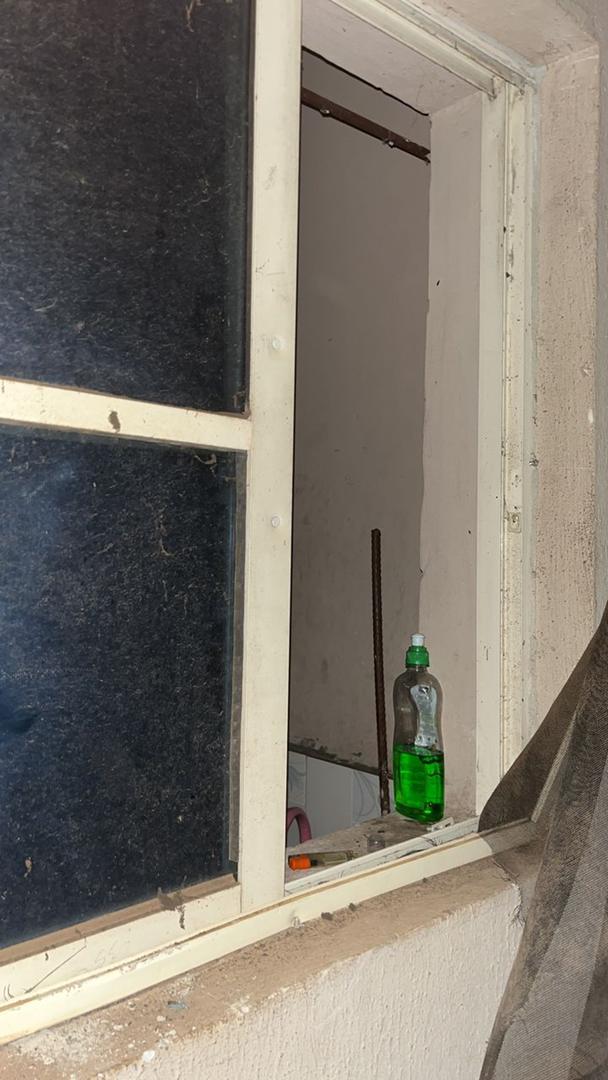
Mr Ogunlana and his roommate attempted to stop the thief, but their efforts proved futile. Other residents joined the search, and although a local vigilante group later intervened, the stolen item was not recovered.
Days later, another hostel in the same estate was attacked, prompting residents to remain on high alert amid reports that suspicious individuals had invaded the area.
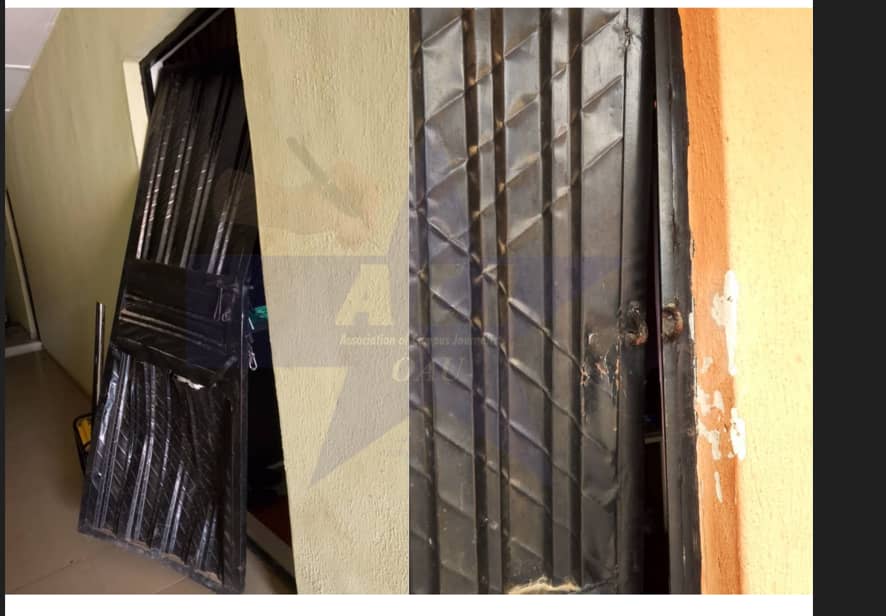
Between January and now, more than 10 hostels located outside the OAU campus recorded robbery incidents. In one attack on 19 May, a 400-level student of the Department of Materials Science was injured with a machete. Fortunately, he survived the assault.
In response to the rising incidents in Ile-Ife, Osun State Governor, Ademola Adeleke promised to deploy additional police personnel to the Ife Area Command to strengthen security in student-populated communities.
A former Students’ Union president of Tai Solarin University of Education (TASUED), Abidakun Tomide, said the problem of robbery was severe during his undergraduate years, particularly during school breaks.

He expressed concern about some landlords who build hostels in locations prone to insecurity. “There is an area called Ijele New Site, after the school farm. It is very far. Students living there often have to pack their belongings when travelling, otherwise they return to empty rooms,” he said.
According to him, attackers frequently seize students’ phones and, in some cases, inflict physical harm. “There are instances where victims are stabbed,” he added.
Mr Tomide also pointed to the sporadic presence of cultism around student communities, noting that some of the perpetrators are indigenes and former students whose enrolment had long been withdrawn.
“There are times they (armed robbers) collect students’ phones. They even inflict harm on the victims. There are instances when the victims’ get stabbed.
Mr Tomide also pointed to the sporadic presence of cultism around student communities, noting that some of the perpetrators are indigenes and former students whose enrolment had long been withdrawn.
In August, armed robbers, numbering about 12 reportedly attacked students of the Federal University, Lafia, Nasarawa State, on three separate occasions. Female students were also sexually assaulted during the attacks.
Concerned parents
A legal practitioner and parent, Oluwagbami Evlyn, said she had experienced the university hostel system both as a former student and now as a parent.
“In the 1980s, when I was an undergraduate at OAU, students were fully accommodated on campus. This ensured that everyone was within the tight security framework of the university,” she said.

She noted that the situation deteriorated in the 1990s as student populations grew without corresponding investment in hostel infrastructure.
Many off-campus hostels, she said, lack basic security features such as fences and functional gates, making them easy targets for criminals. “When robbers operate in such neighbourhoods, these hostels are usually the first point of attack,” she added.
Ms Evlyn called on university authorities to prioritise on-campus accommodation for students. “Full accommodation will enhance security and ensure that children, who are precious to parents, are not left at the mercy of criminals,” she said.
Another parent, Olufemi Omowumi, described the situation as distressing. “It is heartbreaking to think of students, especially those in tertiary institutions, being exposed to such dangers,” she said, urging school authorities to introduce deliberate measures to protect off-campus students.
OAU distances itself, police, other institutions remain silent
In a conversation with the Public Relations Officer of Obafemi Awolowo University (OAU), Abiodun Olanrewaju, he said the situation was “not what we envisaged,” adding that there was little the university could do about it. According to him, the matter falls outside the university’s jurisdiction and should be directed to the Police Public Relations Officer. He stressed that the university can only act within the confines of its authority and that any breach requires police involvement.
Following this clarification, the Public Relations Officer of the Nigerian Police Force, Benjamin Hundeyin, was contacted. Calls placed to him were not answered. In a brief message response, he stated that he was occupied.
The reason for the call was subsequently sent to him via SMS and WhatsApp. An automated message indicating unavailability was received on WhatsApp. As of the time of filing this report, no further response has been received.
Also, efforts to reach the Public Relations Officer of Tai Solarin University of Education were also unsuccessful. She indicated that she was occupied and would respond at a later time. However, as of press time, no response has been received.
‘The solution lies with school authorities’ – Security expert
A security expert and Managing Director of Agent-X Security Ltd, Timothy Avele said robberies in off-campus student residences have not received adequate attention from school authorities, the government, and law enforcement agencies.
“Unfortunately, the situation is getting worse by the day. One major reason is the lack of early detection, prevention mechanisms and rapid response to incidents.”
Mr Avele recommended that institutions develop simple emergency reporting applications with a quick response standby security team.
He added that proper lighting around and within the residences, including solar-powered systems, could significantly reduce attacks. “Adequate lighting can cut these incidents by over 20 per cent,” he said.
According to him, early detection and warning systems using multi-lens 4G solar cameras fitted with sirens could also deter criminals.
He further emphasised the importance of perimeter fencing and trained security personnel. “Residences should be fenced and gated, with guards trained in situational awareness, counter-surveillance and basic intelligence,” he said.
Liaising with the police, other security agencies and local vigilantes to form a joint rapid response team, he added, would further strengthen security around student hostels.

