


By Mohammed Taoheed
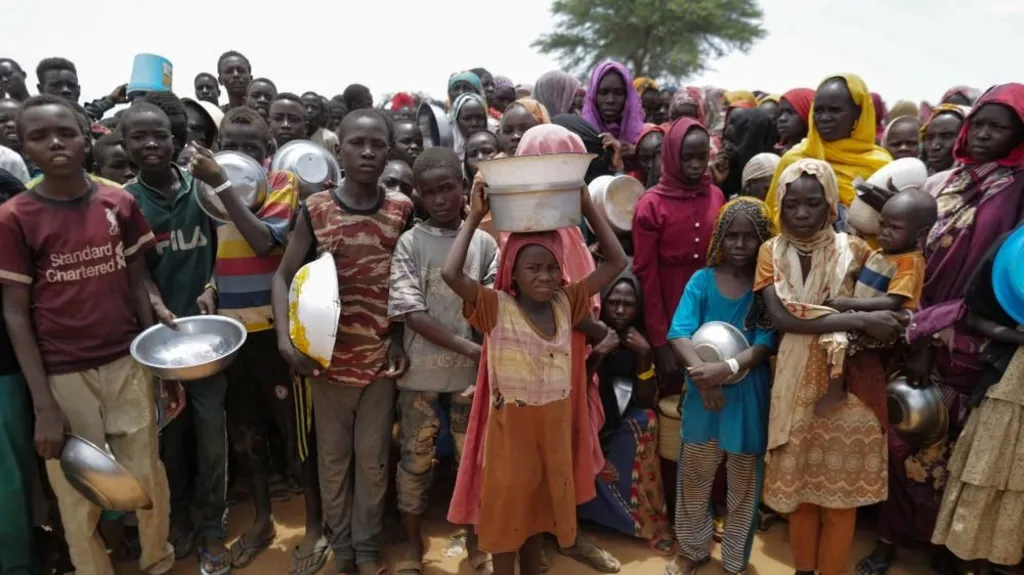
Sudan, a North African country, has topped a list of about 20 countries facing worsening humanitarian crises across the globe, according to a report by the International Rescue Committee (IRC).
In its 2026 Emergency Watchlist, titled ‘New World Disorder,’ the US-based organisation assessed humanitarian risks across about 20 countries experiencing worsening crises globally.
The report identified factors such as escalating conflict, climate change, prolonged poverty and a collapse in global aid funding as drivers of global instability, suggesting that the situation may signal a shift towards a “new world disorder.”
Other countries on the watchlist include the occupied Palestinian territory and several African countries, such as Ethiopia, the Congo, Mali and Burkina Faso. Although the 20 countries assessed represent just 12 per cent of the world’s population, they account for 89 per cent of people in need.
Check by DevReporting show that this is the third consecutive year Sudan has topped the list, while Nigeria, Africa’s largest democracy, has remained outside the top10 since 2022, despite being a hotspot of insecurity and displacement.
A new world disorder
Commenting on what makes Sudan the world’s most severe humanitarian crisis hotspot, the IRC president, David Miliband, said that more than 30 million people are in need of humanitarian assistance, with 20 million facing crisis-level food insecurity and 12 million displaced.
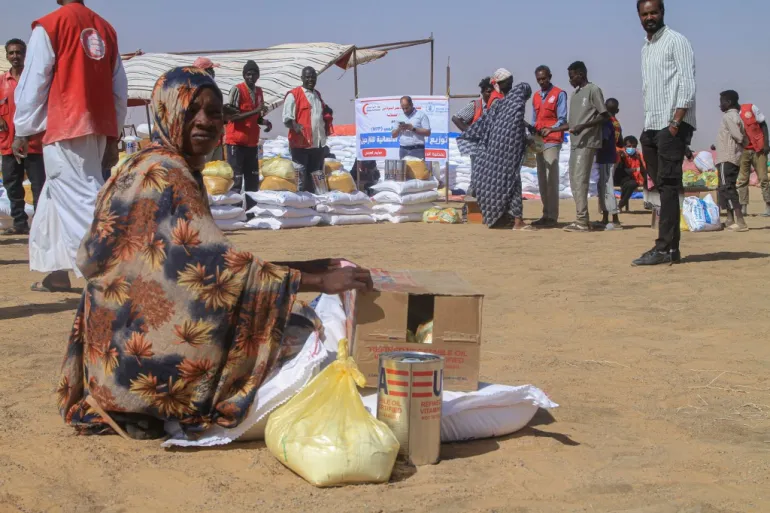
“Yet even this aid effort to help the very worst-off is only 35 per cent funded. Conflicts are at a record high and are lasting longer. Global humanitarian funding has fallen by more than 50 per cent in the past year. Life-saving programmes have not been spared,” he said in a statement.
The IRC said the findings reflect what its officials witness daily as they support crisis-affected communities in more than 40 countries around the world to survive and rebuild their futures.
“The facts on the ground reveal a humanitarian system overwhelmed when it is needed most. As humanitarian crises are surging, the global support to address them is collapsing.
“The surging crises and shrinking support that the IRC’s clients face every day are not just a humanitarian failure, but instead the direct consequence of the geopolitical trends redefining how countries interact with one another. Conflict is escalating dramatically, compounded by climate change and entrenched poverty, while global aid funding has collapsed,” the report stated in part.
Deepening crisis in Sudan
Since April 2023, Sudan has been plagued with a devastating humanitarian and displacement crisis. More than 9.5 million people are internally displaced across all the 18 states of the country.
Before the current conflict, the International Organisation for Migration (IOM) reported that over 2.32 million people had already been displaced, particularly in Darfur, due to factors that also included climate change.
Al Jazeera reported that the situation has forced more than 4 million people to flee to neighbouring countries, bringing the total number of displaced persons in Sudan to about 14 million, more than a quarter of the country’s estimated population of 51 million.
Most of the IDPs, including Sudanese and non-Sudanese nationals, have sought refuge in Egypt, South Sudan and Chad.
Amidst this, famine, hunger, food shortages and limited access to healthcare are some of the most pressing issues worsening the state of things in the country.
About IRC Emergency Watchlist
The Emergency Watchlist, an annual report by the International Rescue Committee looks into situations in about 20 countries who are at the helm of fresh or worsening humanitarian emergencies yearly.
The assessment is based on an analytically rigorous process that deploys 74 quantitative and qualitative variables, alongside qualitative insights drawn from the IRC’s experience in more than 40 countries, to determine which countries are included on the list and how they are ranked.
Each year, this methodology allows the IRC to accurately identify 85-95 per cent of the countries that see the worst humanitarian deterioration over the following year.
IRC provides life-saving aid, health, education, economic support, and empowerment, operating in over 40 countries and many U.S. cities, focusing on restoring safety, dignity, and control to affected populations, with a strong emphasis on supporting women and girls.

