


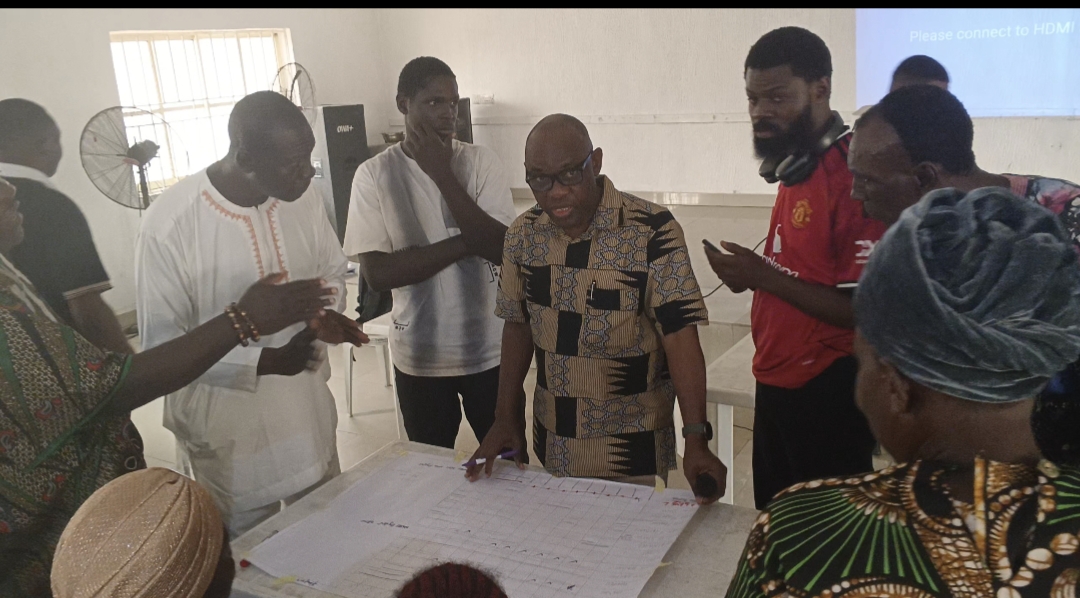
Residents of Ajegunle Ikorodu in Lagos State are working with researchers under the African Cities Research Consortium (ACRC) to co-design community-led responses to recurring flooding and other climate-related risks, in a move to strengthen local resilience through evidence-based action.
Ajegunle Ikorodu has emerged in recent years as one of Lagos’ flood hotspots, with seasonal flooding threatening livelihoods, damaging homes and exposing residents to health risks.
Rather than imposing external solutions, the consortium is adopting a community-based research approach that places residents’ experiences at the centre of research, planning and intervention.
Speaking at a stakeholder consultation in the community, Peter Elias, a professor at the University of Lagos (UNILAG), said the initiative is deliberately structured as a community-based research process, recognising residents as both knowledge holders and partners in solution building.
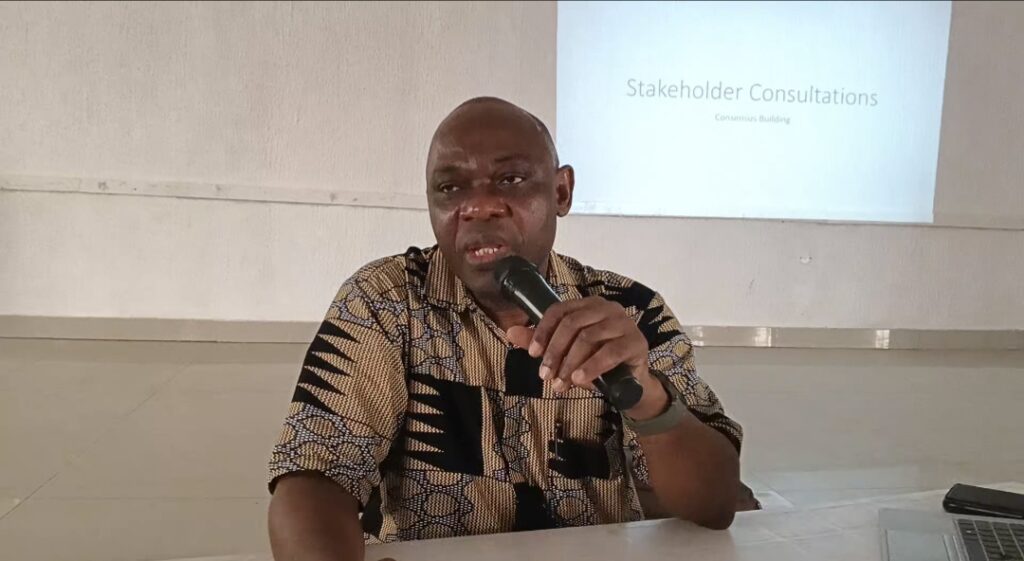
“What has brought us together is to address the problems of the community. This is a community-based research, and our role is to guide and facilitate the process because you are the ones living here.
“We cannot tell your story better than you, but our responsibility is to ensure that the information you provide is properly documented and validated,” Mr Elias said.
He explained that the research seeks to understand how residents have been coping with flooding, assess what has worked and identify gaps requiring further intervention, including support from relevant agencies.
“We want to know what the community has been doing to mitigate flooding, whether it has been effective and what additional steps can be taken. What the government sees from above is not the same as what communities experience. That is why we are doing this together.”
According to Mr Elias, researchers and community volunteers have already gathered detailed data on buildings, households and lived experiences of flooding, which will be reviewed collectively with community leaders, women’s groups, traders, fishermen and teachers.
“We have collected knowledge from residents, and we will present the data back to them and recommend steps for further action. This consultation allows everyone to interrogate the information together,” he said.
Building resilience from a local perspective
Providing insight into the broader ACRC approach, Muyiwa Adegun, a lecturer at the Federal University of Technology, Akure (FUTA), said the consortium focuses on building reform coalitions that help cities address complex and interconnected challenges such as climate vulnerability in informal settlements.
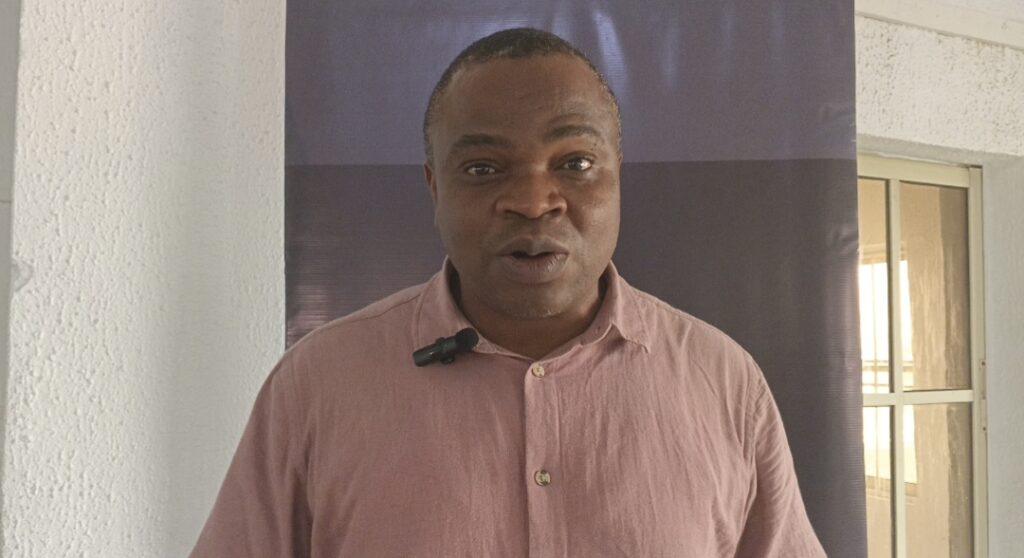
He explained that the ACRC brings together cities seeking transformation, noting that flooding linked to climate change is one of the priority urban problems being addressed, with Ajegunle Ikorodu serving as a case study.
“The aim is to better understand the problem and propose actions that will make communities more resilient to recurrent flooding,” Mr Adegun said.
He added that the work in Ajegunle builds on earlier vulnerability mapping, seasonal calendars and community discussions that align residents’ lived experiences with scientific and planning tools. Mr Adegun further noted that they will make informed interventions once they understand the solutions together with the residents.
Livelihoods, resources and hazards
During group discussions, residents identified land, buildings, rivers, schools, health centres, roads, places of worship and fishing resources as key community assets affected by climate-related flooding.
They highlighted flooding, heat waves and disease outbreaks as major hazards. They also explained how prolonged flooding affects livelihoods such as fishing, livestock rearing, tailoring, hairdressing and schooling, with children particularly exposed during peak flood months.
The residents described recurring health challenges linked to floodwaters, including skin infections, locally known as ‘kayun’, caused by prolonged contact with contaminated water while they collectively identified blocked drainage channels, refuse dumping and construction on natural flood plains as factors worsening flood impacts.
ACRC facilitators said the next phase will involve validating the collected data, refining community-prioritised actions and co-designing mitigation measures that are sustainable and adaptable to similar communities across Lagos.
Residents’ experiences, expectations
Community members present at the consultation said flooding has affected Ajegunle Ikorodu for decades, though they noted that the area was not previously known to be flood-prone.
The Baale of Ajegunle Ikorodu, Moyosola Oladunjoye, a Chief, recalled that earlier flood incidents from heavy rainfall typically receded within hours, noting that the situation worsened following dam releases upstream.
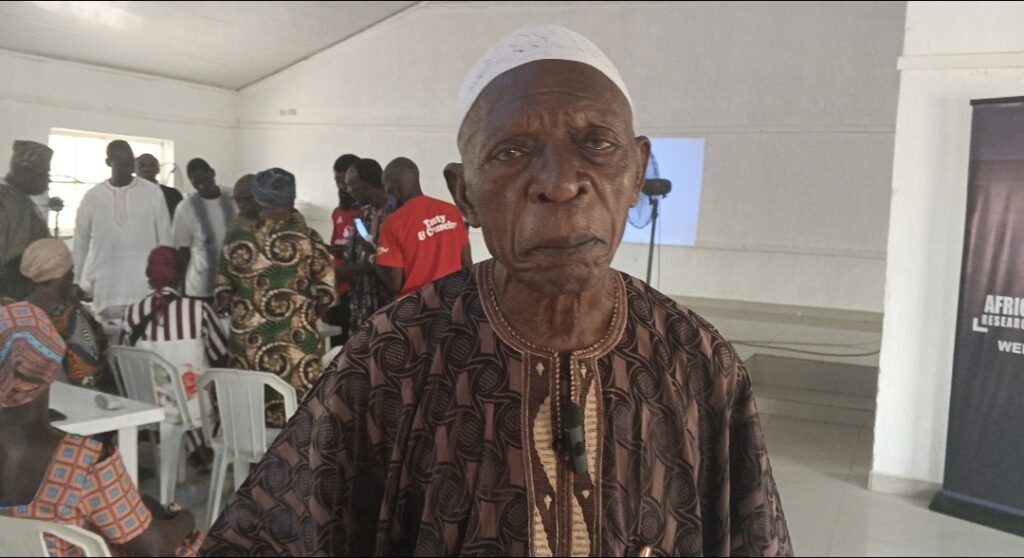
The community leader attributed the changing pattern to climate change and expressed hope that findings from the research would be presented to government authorities with clear recommendations for action.
Other residents said the ACRC-led research has raised expectations for long-term development, while stressing the need for practical and sustainable solutions.
A teacher in the Ajegunle Ikorodu community, Oyeneye Olawale, said the flood water comes every year, for three months, starting from September to the end of November.
“We appreciate the consortium for the mapping that was done. It’s a gradual process, our community will progress,” he expressed optimism.
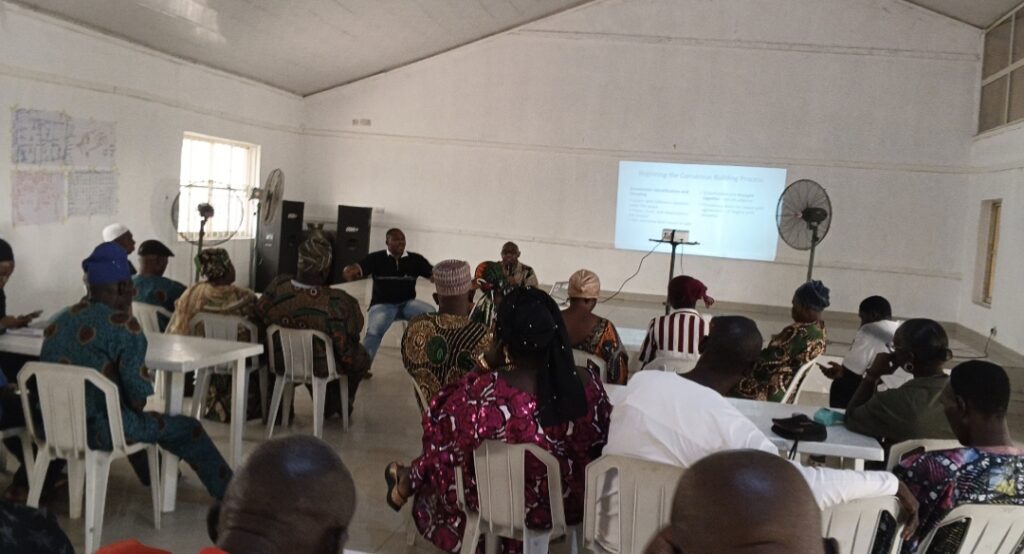
According to Mr Olawale, students are major victims of the flooding hazard. He called for immediate government intervention before the students resume for the next academic session.
Also speaking to DevReporting, Bola Badia, a resident, urged the consortium to proffer sustainable solutions to the climate problems while the community is ready to work hand in glove with them to achieve the expected result.
ACRC stressed that by grounding climate responses in community knowledge and shared ownership, the Ajegunle Ikorodu intervention is intended not only to reduce flood risks but also to provide a practical model for inclusive and resilient urban development in Lagos.