





When Obinna Chima’s wife began to shake and slow down years ago, neither of them knew what to call it. Doctors treated her for other conditions. No one mentioned Parkinson’s disease.
That changed in January 2020, when she finally received a proper diagnosis.
“Before then, she had all these symptoms, but she wasn’t properly diagnosed,” Mr Chima said. “She would go to hospital, they would do one thing, give her medication she needed, sometimes based on antidepressants.”
According to Parkinson’s Africa, her experience reflects that of thousands of Nigerians living with the disease without knowing it.
On 11 April, the organisation marked World Parkinson’s Day with a sensitisation event to raise awareness about the disease, its symptoms and the misconceptions surrounding it.
Why the day matters?
World Parkinson’s Day is observed globally on 11 April, marking the birthday of James Parkinson, the doctor who first identified and classified the disease.
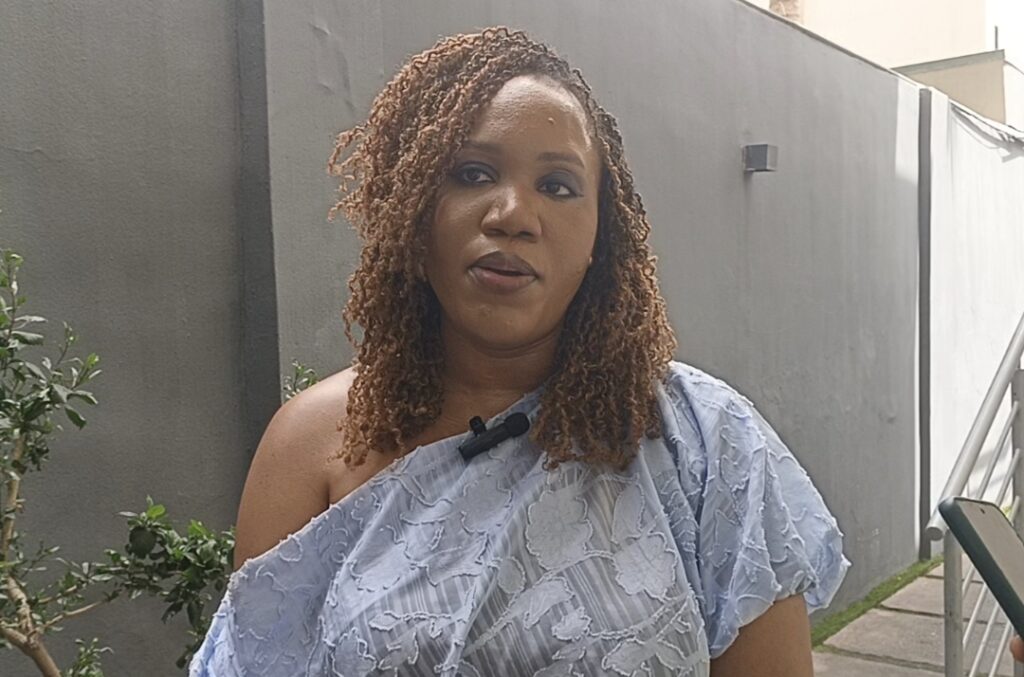
The charity manager of Parkinson’s Africa, Ruth Ebe, said the day provides an opportunity to bring together patients, caregivers, health professionals and the public to deepen understanding.
“We use this day to educate the public about the myths and the facts that concern Parkinson’s disease,” Ms Ebe said.
Understanding Parkinson’s disease
According to Parkinson’s Foundation, the disease is a neurodegenerative disorder that affects predominately the dopamine-producing “dopaminergic” neurons in a specific area of the brain called substantia nigra.
While no cure exists, treatments and the foundation‘s research help improve quality of life and advance early diagnosis.
Ms Ebe explains that the disorder develops primarily from shortage in the production and release of dopamine from the brain. Dopamine, she said, supports the body’s ability to control movement. “When its levels drop, the body loses that control.”
To Success Nwanedo, the communications and community engagement officer of Parkinson’s Africa, the disease affects movement, independence and everyday living. “It is more than a health condition. It is a life-altering reality,” Ms Nwanedo said.

Parkinson’s disease has no known cause and no cure. Research has, however, linked it to hereditary factors, exposure to pesticides and certain chemicals in workplaces. Ms Ebe noted that people who carry a family history of the disease face a higher risk.
According to a 2018 review published in ScienceDirect, the disease affects one to two per cent of individuals above 60 years, amounting to over 7 million people worldwide. In Nigeria specifically, a review published in the journal Movement Disorders placed the prevalence at up to 67 per 100,000 people.
A 2025 study published in the British Medical Journal projected that western Sub-Saharan Africa will see a 292 per cent rise in Parkinson’s cases by 2050, driven by population growth and ageing.
Symptoms often overlooked
Symptoms according to Parkinson’s Foundation include tremor, stiffness, slow movement and non-movement issues like depression or sleep issues.
Ms Ebe said many Nigerians remain undiagnosed because they do not recognise the symptoms.
“There are people already having problems with their movements, but others say, ‘you are too slow’ or ‘why are you shaking?’.”
While Ms Nwanedo identified stiffness, trembling and fatigue as key symptoms, she warned against self-diagnosis and advise seeking medical evaluation.
According to Ms Ebe, the disease carries over 40 symptoms, one of which is a masked face, where a person living with Parkinson’s may feel they are smiling but their face shows no expression. Family members often misread this as indifference or unhappiness.
“Another symptom is difficulty swallowing. Muscles in the throat weaken, making foods that were once easy to eat difficult to consume. Family members often do not connect this to the disease. Loss of smell is also a symptom,” she said, adding that Parkinson’s can affect people at any age.
Contrary to common assumptions, Parkinson’s can affect people of any age. The founder of Parkinson’s Africa, Omotola Thomas, was diagnosed at 35. Ms Ebe also cited cases beginning in adolescence. “There is no specific age range for when symptoms can appear,” she said.
Myths, stigma and harmful beliefs
Across many communities in Nigeria and Africa, people living with Parkinson’s face stigma rooted in superstition. Some are labelled witches or accused of wrongdoing. Others are taken from one pastor or traditional healer to another for remedies that do not address the condition.
“We have heard people say they were tagged witches or wizards,” Ms Nwanedo said. “That is one of the issues we are addressing.”
She stressed that such beliefs delay diagnosis and discourage people from seeking medical care.
“It is not witchcraft. It is not a curse. It is not because they did something wrong. And it is not communicable,” she said.
Mr Chima added that the situation is more severe in rural areas. “In the hinterlands, many people with Parkinson’s are isolated. Some are confined because others believe they are possessed,” he said.
Limited government support
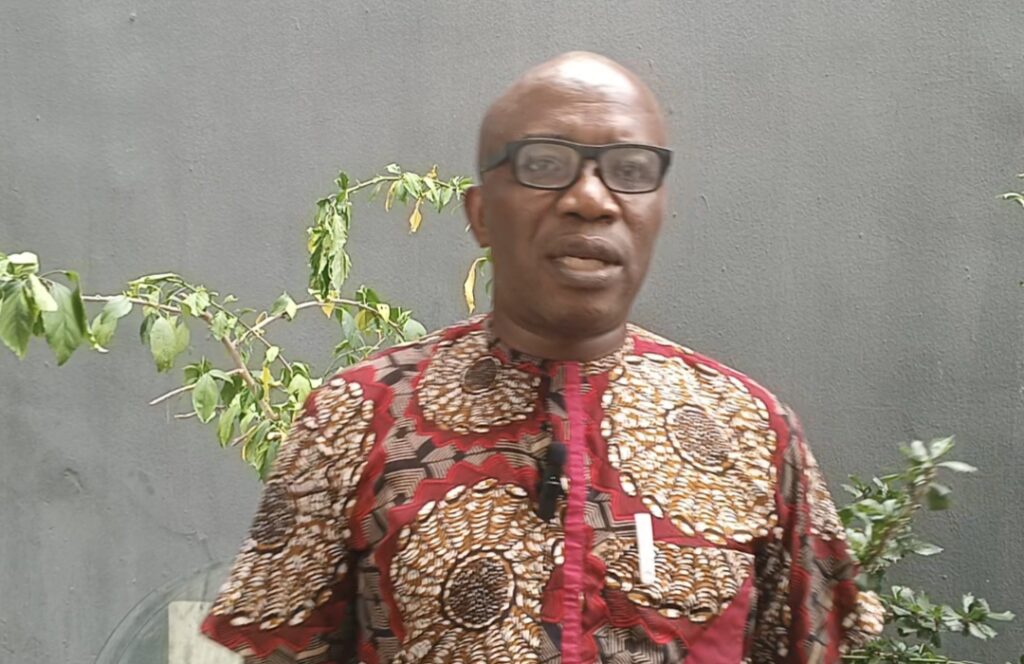
Mr Chima said there is little to no government engagement with Parkinson’s disease in Nigeria, noting that his family relies mainly on support from Parkinson’s Africa. “Government knows nothing about Parkinson’s in Nigeria,” he said.
He urged authorities to prioritise awareness, even where funding for treatment is limited.
“If government starts with awareness, more people will understand the condition. It should not be left to charities alone,” he said.
Ms Ebe highlighted gaps in Nigeria’s health system, saying, Parkinson’s is not covered under the national health insurance scheme, and medications are imported, making them expensive. She cited Zimbabwe, where a patient spends about $350 monthly on medication.
“The cost is out of pocket, and many people cannot afford it,” she said.
She also noted that misdiagnosis persists even within hospitals, calling for improved training for health professionals. “There is still a problem with late diagnosis, even when patients present symptoms,” she said.
The burden of caregiving
Mr Chima described caregiving as a deliberate and demanding responsibility. “To be a caregiver, you must make up your mind that this is what you want to do,” he said. “I have structured my life around it.”
He explained that caregiving requires planning daily routines, arranging support when travelling and maintaining consistency.
“If you are doing it only for the pay, you will not be able to sustain it,” he said.
Ms Nwanedo also urged the public to show support and empathy.
“We want people to support those living with Parkinson’s. Together, we can build a future where everyone affected is respected and treated with dignity,” she said.
About Parkinson’s Africa
Parkinson’s Africa operates in 11 countries, providing support groups, educational materials in 11 African languages, including Hausa and Igbo, and radio programmes in local languages. It also organises annual virtual town halls and supports partner organisations.
One of its initiatives, Champions for Change, trains individuals living with Parkinson’s to identify and refer others showing symptoms within their communities.
It also engages government at local, state and federal levels to advocate policies that include Parkinson’s disease in health and insurance frameworks.
