




Nigeria is facing what health experts now describe as one of the gravest child nutrition crises in its modern history, as humanitarian organisation Médecins Sans Frontières (MSF) revealed that the country recorded the highest number of malnutrition cases among the 77 countries where it operates.
According to MSF’s latest humanitarian report, there is a growing scale of hunger and disease ravaging vulnerable communities, particularly across northern Nigeria, where conflict, inflation and displacement have combined to create a deadly humanitarian storm.
The organisation said more than 440,000 malnourished children were treated in Nigeria in 2025 alone, as analysts told DevReporting that the figure reflects a public health emergency, and deepening governance failures.
“When a country cannot guarantee basic nutrition for millions of children, it risks weakening the foundation of its future workforce and stability,” Murtala Usman, a conflict reporter in Borno said.
Conflict, inflation and hunger
The worsening crisis, according to the MSF report, has been linked to a combination of armed conflict, mass displacement, climate-related disasters and soaring food prices that have pushed millions of families beyond survival limits.
Across several northern states, farming activities have been severely disrupted by banditry, insurgency and communal violence, leaving many households dependent on humanitarian support for food and healthcare.
At the same time, Nigeria’s prolonged inflation crisis has made essential food items increasingly unaffordable for ordinary citizens.
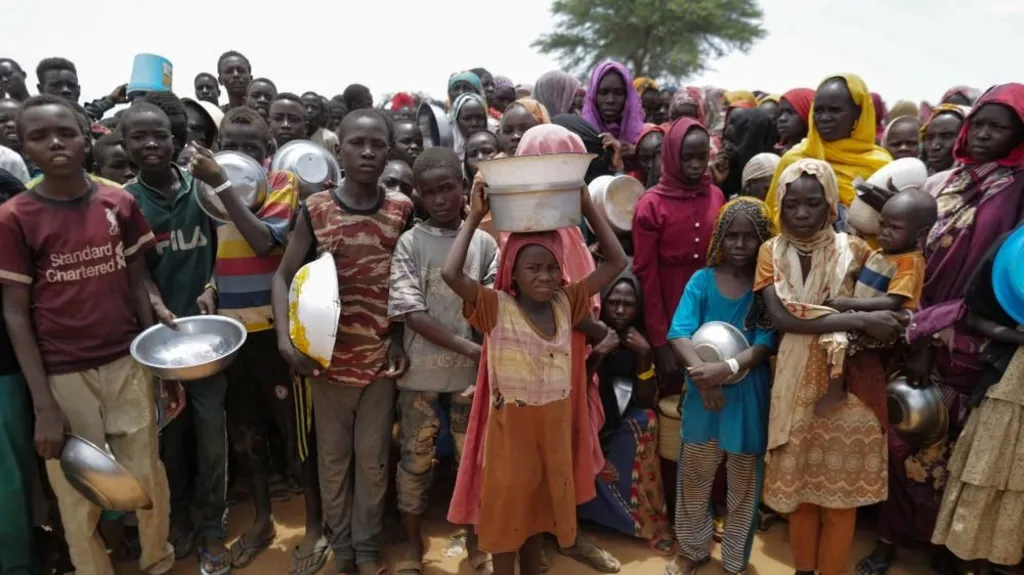
For struggling families, the consequences are devastating, as many households now survive on fewer meals per day, while children are forced to endure diets lacking basic nutritional value needed for growth and immunity.
A financial economist and agricultural expert, Kingsley Ndimele, told DevReporting that the crisis reflects years of structural neglect.
“You cannot separate malnutrition from poverty and insecurity,” he said. “When inflation rises faster than household income and insecurity destroys food production, hunger becomes unavoidable.”
He added that many communities now face severe food shortages at a time when international aid funding is also shrinking.
Children paying the highest price
MSF warned that severe malnutrition is increasingly worsening the impact of disease outbreaks such as measles, malaria, meningitis and diphtheria, particularly in overcrowded camps and rural communities with poor healthcare access.
In its latest report, the organisation disclosed that it treated hundreds of thousands of patients suffering from malaria and tens of thousands of measles cases across Nigeria in 2025. MSF Country Representative in Nigeria, Ahmed Aldikhari, said the figures were the highest recorded in recent years.
“The 2025 data tells a harrowing story with over 440,000 children put on treatment, it is the year with the highest admissions for malnutrition we’ve had in Nigeria in recent years,” Aldikhari said at a press briefing in Abuja on Wednesday.
“We are seeing a vicious cycle where malnutrition is both a cause and a consequence of diseases such as measles, malaria, and diphtheria among others, and continues to affect vulnerable communities, especially when healthcare is delayed or inaccessible.”
The Humanitarian workers also warn that treatment centres in parts of northern Nigeria are becoming overwhelmed by rising admissions, with many clinics struggling to cope with shortages of medicines, therapeutic foods and medical personnel.
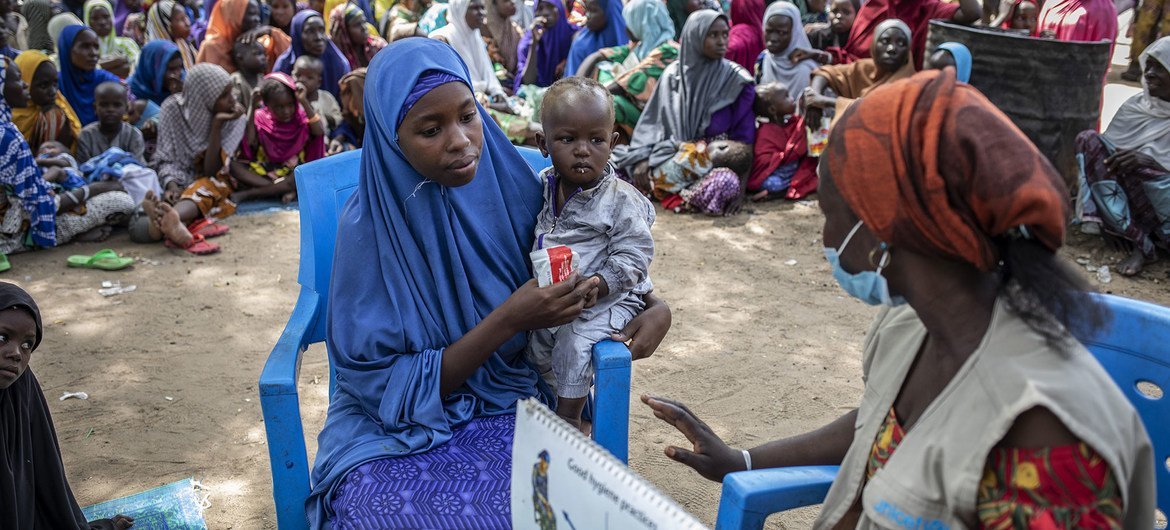
MSF said it treated 341,239 malaria patients, 38,753 children for measles, 6,123 diphtheria patients and 985 meningitis cases across its projects and supported facilities in 2025. The organisation said recurring outbreaks of cholera, Lassa fever, measles, meningitis, diphtheria and typhoid fever remained common, especially during the rainy season.
Nigeria’s healthcare system under pressure
Meanwhile, Mr Usman said the emergency has exposed the weakness of Nigeria’s already overstretched healthcare system, as many rural communities do not have access to basic healthcare, forcing mothers to travel long distances in search of treatment for severely malnourished children.
“Children are dying from conditions that are entirely preventable and treatable,” he said. “In many local communities, healthcare centres lack adequate nutrition supplies, trained personnel and emergency response capacity.”
Despite multiple intervention programmes announced over the years, humanitarian agencies insist that response efforts remain far below the scale of the emergency.
“There is an urgent need for stronger investment in primary healthcare, referral systems, staffing, equipment and emergency maternal services, especially in underserved areas,” MSF added.

