



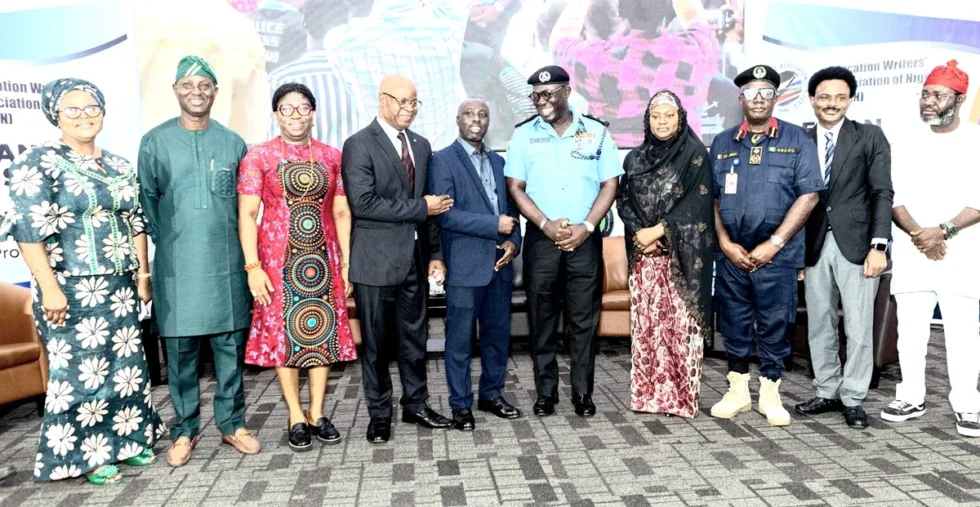
Stakeholders in Nigeria’s education and security sectors have called for a dedicated budget for school safety, warning that efforts to protect pupils and teachers from attacks will remain inadequate without sustained funding and coordinated preventive measures.
The call was made at the 7th annual summit of the Education Writers’ Association of Nigeria (EWAN), where participants stressed that protecting schools requires more than deploying security personnel after attacks. They advocated investment in school infrastructure, intelligence gathering, community policing and early-warning systems to prevent threats before they escalate.
Speaking on financing safe schools in Nigeria, the National Coordinator, Financing Safe Schools in Nigeria, Halima Iliya said dedicated budget is essential to making school protection measures effective.
“Without a dedicated budget for school safety, nothing can be done,” she said, citing the Lagos State Security Trust Fund as an example of a mechanism supporting security operations.
The summit, themed “Schools Under Threat: From Reactive Responses to Sustainable Protection,” brought together education and security officials, school administrators, examination bodies and journalists to examine how Nigeria can move from responding to attacks to preventing them.
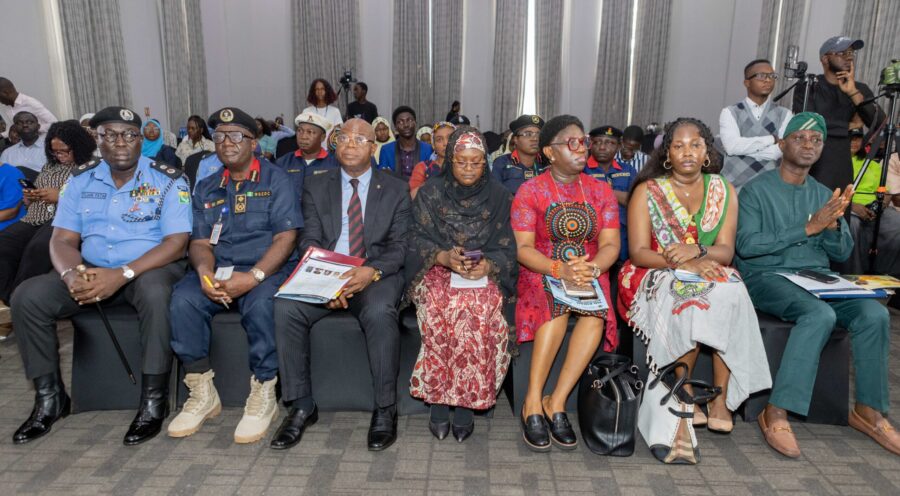
School safety requires sustained investment
In his address, the chairman of the event and Chairman of the Governing Board of the National Universities Commission (NUC), Oluwatoyin Ogundipe, a professor of botany, called for a shift from reacting to school attacks to building systems that prevent them, mitigate their impact and ensure continuity of education.
Mr Ogundipe who was represented by the Dean of the Faculty of Education at the University of Lagos (UNILAG), Joseph Awoyinfa, a professor, said Nigeria’s responses had too often centred on deploying security personnel after incidents, issuing condemnations and providing temporary relief to affected communities.
He advocated stronger early-warning systems involving security agencies, local communities, school authorities and the media. He also called for a unified national school safety framework that aligns federal, state and local government efforts, clarifies responsibilities and strengthens accountability.
He said every school should have a functional emergency preparedness plan covering evacuation procedures, communication protocols, safe rooms and trained personnel.
Mr Ogundipe added that sustainable protection required sustained investment in infrastructure, perimeter fencing, surveillance systems, safe transportation and secure boarding facilities, particularly in rural and conflict-prone areas.
He also called for psychosocial support for survivors of school attacks, warning that trauma could undermine affected pupils’ learning outcomes for years.
Police step up school protection
The Inspector-General of Police, Olatunji Disu, said school safety must be treated as a national security priority and a collective responsibility involving government, security agencies, school administrators, communities and the media.
In his keynote address, Mr Disu said the consequences of attacks on schools extended beyond the immediate victims, disrupting learning, traumatising families and undermining national development.
He stressed the need for intelligence gathering, early detection, timely intervention and improved communication between schools and security agencies to identify and address threats before they escalated.
Represented by the Lagos State Commissioner of Police, Fatai Tijani, the IGP said the Nigeria Police Force would continue to collaborate with education authorities, school administrators, community leaders and other stakeholders to strengthen crime prevention, preparedness and responses to threats against educational institutions.
He also highlighted the importance of police-community partnerships, urging school administrators, teachers, parents, pupils and residents to report credible security concerns through appropriate channels.
The police boss revealed that Lagos State had established a School Protection Squad to improve security around schools in vulnerable areas, including Ikorodu, Epe and Badagry.
He added that the squad patrols these areas to maintain a police presence close to schools, particularly in communities considered volatile because of their proximity to border areas.
According to him, Divisional Police Officers (DPOs) have also been directed to visit schools, interact with pupils and teachers, and make their presence felt.
Similarly, the Assistant Inspector-General of Police, Zone 2, Lagos, Olorundare Jimoh, represented by the zonal police public relations officer, Gbenga Afolayan, called for intelligence-led and digitally enabled policing.
Mr Jimoh stressed the importance of community partnerships, urging residents to share credible information about suspicious activities that could help security agencies identify and prevent threats.
School administrators urged to address security gaps
The National President of the Association of Nigerian Conference of Principals of Secondary Schools (ANCOPSS), Robert Okorie, represented by its Lagos State president, Olusola Masheyi, said school administrators were at the centre of efforts to prevent attacks.
He called for perimeter fencing to control access to school premises, alongside metal detectors and surveillance cameras where appropriate.
Citing the school attacked in Oriire, Oyo State, he said the absence of perimeter fencing exposed the vulnerability of some institutions.
Mr Masheyi also warned that threats did not always originate outside school premises. He urged administrators to pay closer attention to suspicious behaviour among pupils and to emerging digital and cybersecurity threats, including situations in which students threaten teachers.
He further called for government support to help school administrators address truancy and strengthen parental responsibility for ensuring that children attend school.
The National President of the Nigeria Union of Teachers, Titus Amba, represented by the Lagos State chairman, Akintoye Hassan, also emphasised the need for stronger crime prevention and deterrence.
Mr Amba raised concerns about inadequate data for tracking and punishing offenders, despite the existence of identification systems such as the National Identification Number (NIN) and the Lagos State Residents Registration Agency (LASRRA).
He identified long distances between homes and schools as a safety concern, arguing that shorter distances could make it easier to monitor pupils.
He added that community safety and shared values were important to protecting schools, stressing that the security of one community was linked to that of its neighbours.
WAEC, NECO recount impact of insurgency
The Head of the Nigeria Office of the West African Examinations Council (WAEC), Suleiman Kum, represented by the Deputy Registrar for Test Administration, Akinola Akinbode, said the examination body had also suffered the consequences of insecurity.
Mr Kum disclosed that three WAEC staff members were killed in 2013 due to insurgency.
He said WAEC collaborates with security agencies during examinations to curb the activities of miscreants and perpetrators of examination malpractice.
In his goodwill message, the Registrar/Chief Executive Officer of the National Examinations Council (NECO), Ibrahim Wushishi, represented by the Director, South-West Zone, Foyeke Idowu, decried the trauma students and parents experience as a result of school insecurity.
He said the problem transcended the education sector, describing the abduction of children from schools or during examinations as a psychological defeat for Nigeria.
Journalists urged to strengthen school safety reporting
The Executive Director of the Wole Soyinka Centre for Investigative Journalism (WSCIJ), Motunrayo Alaka, urged journalists to strengthen their reporting on school safety by using available research and resources to assess the security conditions of educational institutions.
She said journalists should familiarise themselves with the minimum standards for safe schools and use them as a reference when examining whether institutions meet required safety expectations.
Mrs Alaka stressed that school safety was inseparable from community safety, urging education reporters to look beyond routine coverage of school activities and investigate the conditions in which children learn.
Earlier, EWAN chairman, Mojeed Alabi said journalism must play a sustained role in preventing school attacks by investigating vulnerabilities and holding public institutions accountable, rather than focusing mainly on tragedies after they occur. “Children are not safe until every school is safe,” he said.
Mr Alabi cited the abduction of schoolgirls in Chibok in 2014, the subsequent Dapchi abduction and other attacks on educational institutions as evidence that school insecurity remained a persistent challenge with consequences for education and national development.
He urged journalists to investigate whether vulnerable schools had functional emergency systems, whether teachers received safety training and whether funds committed to school protection were used as intended.
He said reporting should also examine the effects of attacks on children’s education, including lost school days, access to support services and whether affected pupils eventually return to school.
Mr Alabi cautioned journalists against publishing unverified information or operational details that could endanger children, teachers and rescue efforts. He called on newsrooms to invest in collaborative investigations and work with researchers and education experts to strengthen reporting on school safety.
He also urged journalists to track government commitments and scrutinise public spending to determine whether promised interventions translated into safer learning environments.
The stakeholders agreed that sustainable school protection would require dedicated funding, stronger infrastructure, effective intelligence gathering, community participation and accountability to ensure that children could learn and teachers could work without fear.
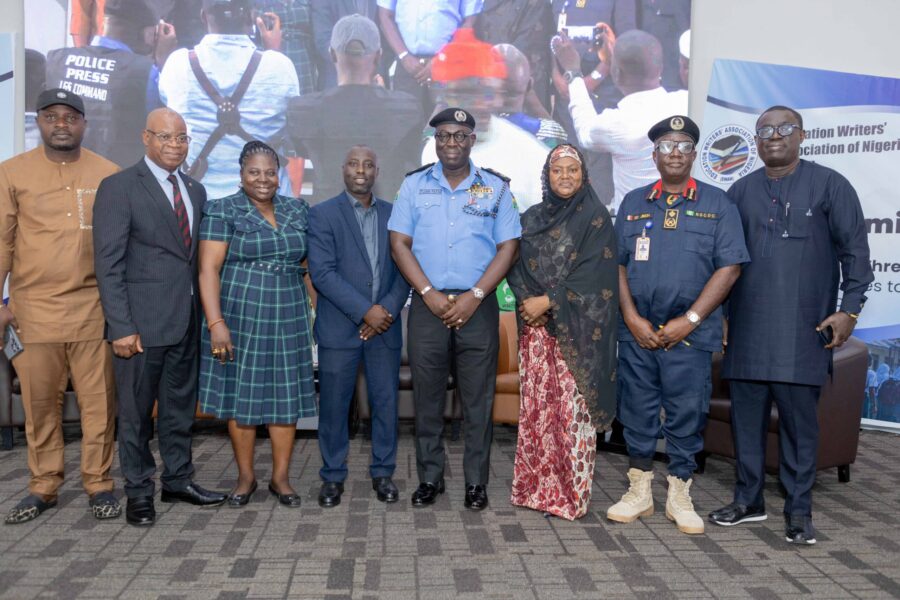
The event was also attended by the Lagos State Commissioner for Basic and Secondary Education, Jamiu Tolani Alli-Balogun; the Lagos State Commandant of the Nigeria Security and Civil Defence Corps (NSCDC), Adedotun Keshinro, represented by Deputy Commandant Jimoh Sulaimon; Lagos State Assistant Commissioner of Police and Special Assistant to the Commissioner of Police, Aka Shittu; Lagos State Police Public Relations Officer, SP Abimbola Adebisi; NECO Lagos State Coordinator, Titus Babasola; Chairman of the Lagos Trade Union Council, Aladetan Abiodun; and Chairperson of the Nigeria Labour Congress, Lagos State, Agnes Funmi Sessi.
Others included the Chairman of the Lagos State Parents Forum, Ganiyu Olatunbosun; National Coordinator of the Education Rights Campaign, Hassan Taiwo Soweto, represented by Lagos State Coordinator Ibrahim Duroorike; National President of the Association for Formidable Education Development, Kanu Orji; Managing Director/Chief Executive Officer of Integrated Indigo Limited, Bolaji Abimbola; former Chief Press Secretary to former Osun State Governor Rauf Aregbesola, Semiu Okanlawon; and Chairperson of the League of School Proprietors Worldwide, AbdulWaheed Obalakun, represented by the State Financial Secretary, Kilanse Monsur. Students and teachers from Taoheed College, Lagos, and Silver Pen Private School, Oko-Oba, Agege, also attended the summit.