



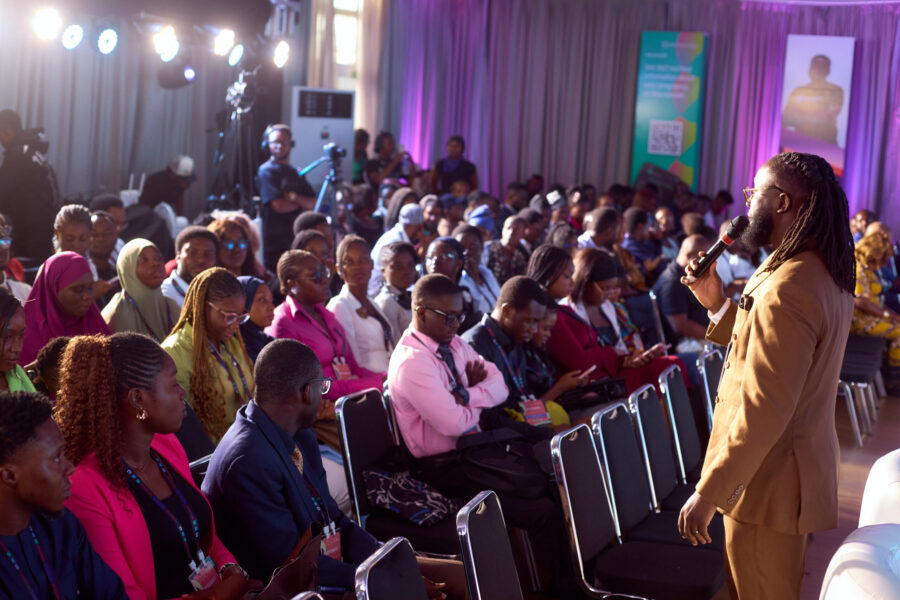
Technology alone will not close Nigeria’s healthcare gaps, health innovators said at MedVerge on Saturday, as they called for stronger collaboration, wider health insurance coverage and investment in locally relevant data.
The event, organised by HelpMum, Dobic Health and SmartMRS in Lagos, featured solutions aimed at improving maternal health information, pharmacy access, electronic medical records and health services for people who remain outside the formal healthcare system.
Innovators call for stronger collaboration
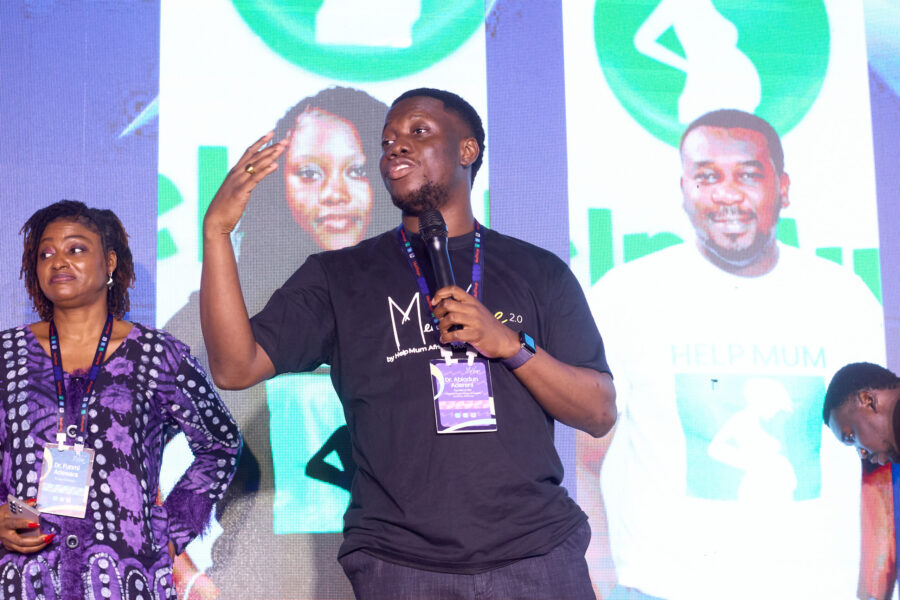
The convener of MedVerge and founder/CEO of HelpMum, Dobic Health and SmartMRS, Abiodun Adereni, said stronger collaboration was needed across the health ecosystem.
“I think people are not collaborating enough,” Mr Adereni said. He argued that innovators should focus on developing solutions to real challenges, while the government should create incentives that encourage healthcare facilities and businesses to adopt new technologies.
He pointed to the United States, where he said healthcare facilities receive incentives to digitalise their operations, and argued that similar support could make health technology businesses more sustainable in Nigeria.
Mr Adereni, a medical doctor, also identified health insurance as a major factor that could determine whether healthcare innovations reach more Nigerians.
He said expanding health insurance coverage could help connect people to modern healthcare facilities and create a larger market for health technology solutions. His organisations, he added, are also looking towards a Health Maintenance Organisation (HMO) model that could eventually serve healthcare facilities across Nigeria.
HelpMum expands AI tools for mothers
For Whenu Dieko, a medical doctor at HelpMum, the need for accessible health information is particularly urgent for pregnant women and new mothers.
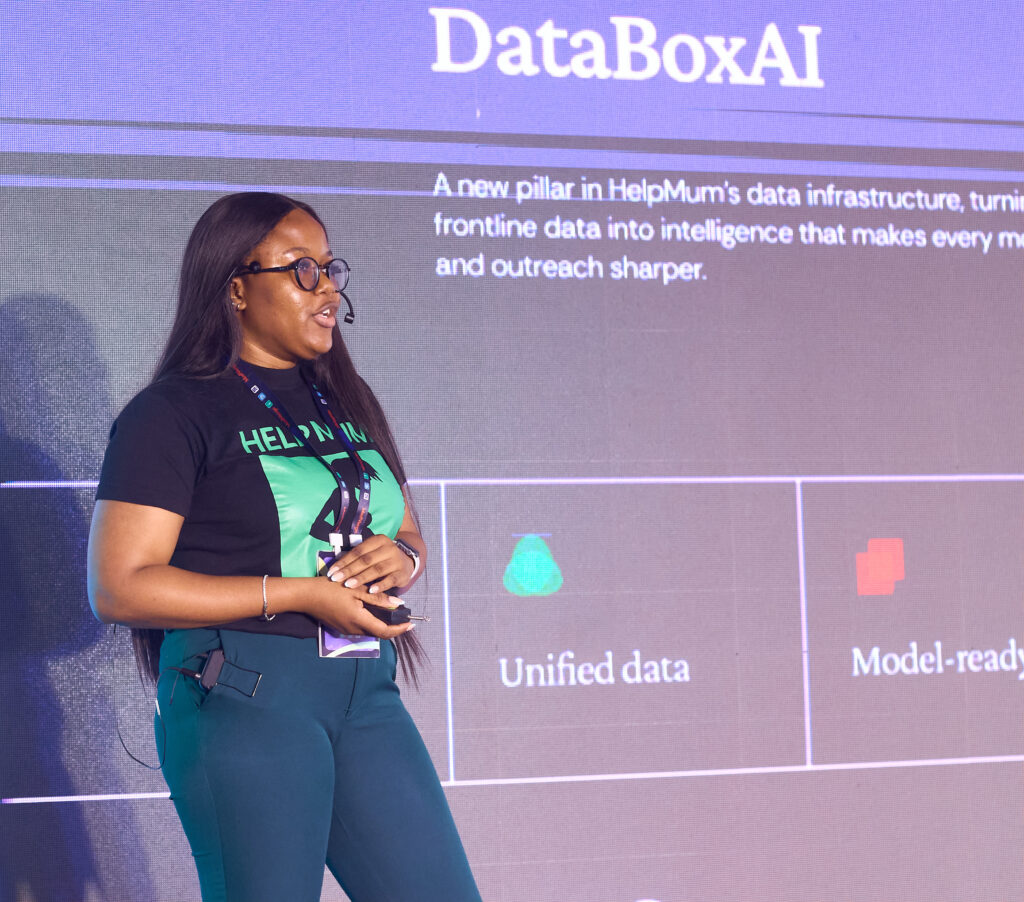
The organisation said hundreds of thousands of mothers in the region go through pregnancy without access to information that could save their lives or those of their children. Its interventions have therefore increasingly combined maternal health education with artificial intelligence and digital tools.
Among the innovations presented were MamaBot, a WhatsApp-based chatbot that provides pregnancy guidance; MamaBot AI; MaxMama; and a vaccination tracker designed to help parents manage children’s vaccination schedules.
HelpMum also presented language technology designed to make health information more accessible in Nigerian languages, including Yoruba and Hausa. Another Automatic Speech Recognition project is being developed for Hausa, Igbo, Pidgin and Yoruba, with the aim of allowing users to communicate naturally in their own voices.
The organisation said its digital platforms, videos and social media awareness activities have reached more than one million mothers. It also announced the expansion of MamaBot to Ghana and the development of additional AI tools and community programmes.
Dobic Health expands diagnostic wellness care
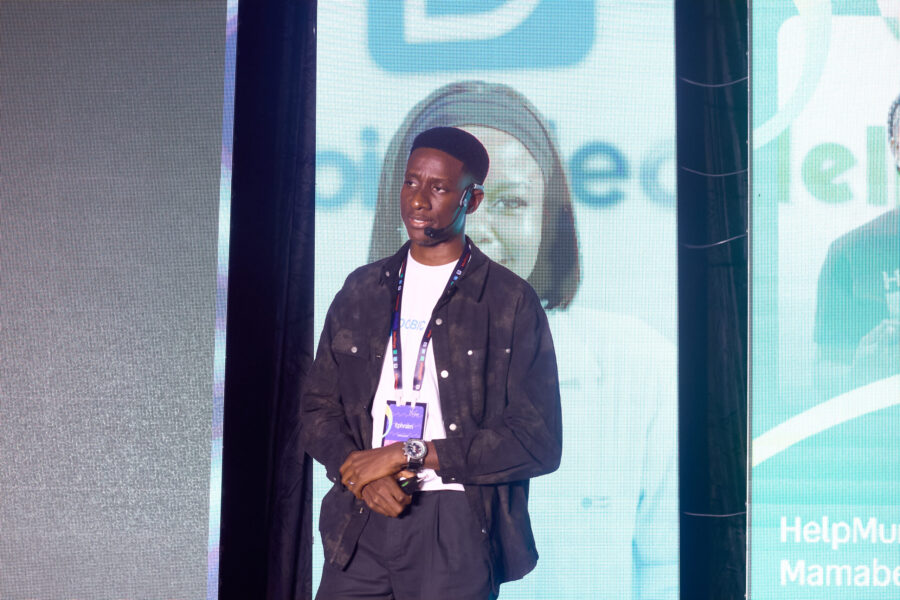
In addition to the innovations of HelpMum, Dobic Health is expanding access to diagnostic and wellness services as part of efforts to strengthen healthcare delivery through technology and integrated care.
Speaking at MedVerge, Medical Radiographer at Dobic Health, Usani Ephraim said the organisation attended to more than 10,000 patients in a single year, with over half of them accessing services through referrals and HMOs.
Dobic Health according to Mr Ephraim is designed to provide patients with access to multiple services within one healthcare setting, reducing the need to move between different facilities for diagnosis and care.
Insurance remains a major access gap
The Director of Digital Innovations at PharmAccess, Chisom Amadi, said expanding access would require greater cooperation between the public and private sectors.
Ms Amadi said the definition of an underserved population should go beyond people who cannot afford healthcare. Some people, she said, can afford care but still struggle to access it because of how healthcare services are structured.
She said more than 20 million Nigerians are now enrolled in health insurance when public and private schemes are considered together, but added that the informal sector remains a significant gap.
“The people that have formal employment, formal structured private organisations… we all have insurance, so we are covered,” she said, while asking how the health system could bring more people in the informal economy into care.
Why African health AI needs African data
Adeola Ayoola, co-founder and CEO of Famasi Africa, said the challenge also lies in what happens after a patient has seen a doctor.
She said people with chronic conditions sometimes have to visit several pharmacies before finding the medication they need. Ms Ayoola recalled hearing from someone whose father died after being unable to find an inhaler during a medical crisis.
Famasi Africa is developing Renny, a pharmacy assistant designed to help pharmacists recall relevant information about patients, medications, precautions and possible side effects.
The tool can also continue supporting patients after they leave the pharmacy by reminding them to take medication and flagging possible side effects.
Ms Ayoola said the goal is to “personalise care at scale” rather than treat every patient with the same approach.
Building African health technology with African data
Medical Lab Scientist at Dobic Health, Ekene Achebe, who also spoke at the event, said African health technologies need access to African data if they are to produce solutions suited to local realities.
The speaker argued that Nigeria’s diversity makes locally generated health data particularly valuable for developing AI systems that reflect the experiences of African patients.
SmartMRS, an AI-powered electronic medical records platform, was presented as another layer of this emerging digital health ecosystem. The platform brings clinical, financial and operational functions together, while its SmartDoc product allows patients to access medical records, medication information, visit summaries, laboratory results and other health information.
The convergence of maternal health services, diagnostic care, pharmacy access, electronic records and artificial intelligence at MedVerge pointed to a growing effort by Nigerian health innovators to build technology around problems patients encounter every day.
N10m reward for top CareCode hackathon innovators
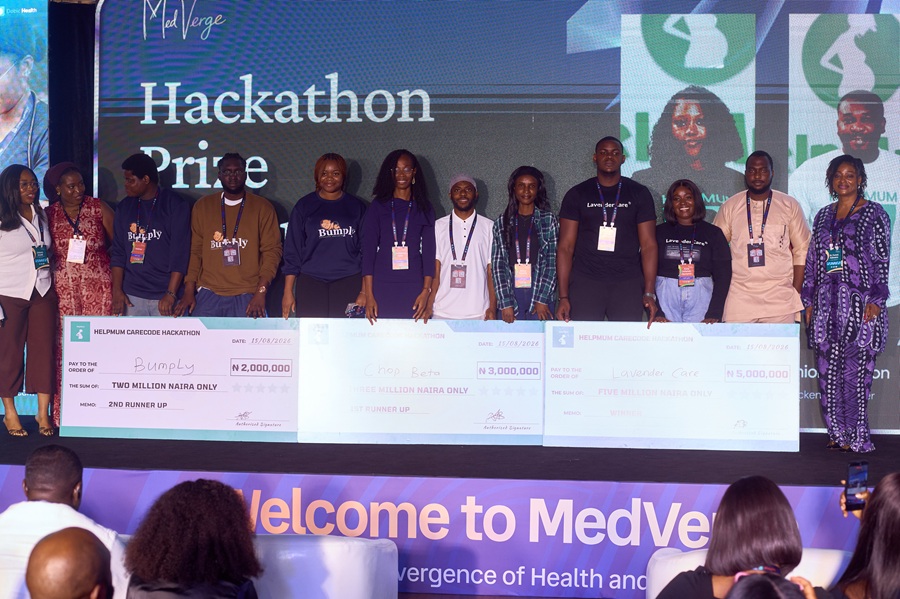
HelpMum Africa also used the event to spotlight young innovators through the CareCode Hackathon, which brought together emerging entrepreneurs to pitch products and ideas aimed at shaping the future of healthcare.
Five teams including HerPride, Lavender Care, ChopBeta, Bumply and MamaConnect emerged as finalists.
The hackathon provided a platform for innovators to present their ideas and demonstrate how young people are developing technology-driven solutions to healthcare challenges, while encouraging fresh ideas and greater participation in Nigeria’s growing health technology ecosystem.
The top three teams shared a total of N10 million in cash prizes, courtesy of HelpMum Africa. Lavender Care emerged as the overall winner, receiving N5 million, while ChopBeta and Bumply received N3 million and N2 million, respectively.
