



By Amarachukwu Callistus
Stakeholders in Nigeria’s telecommunications and digital infrastructure sectors have called for a shift from expanding network coverage to making digital services affordable and accessible to rural communities, warning that connectivity means little if people cannot afford to use it.
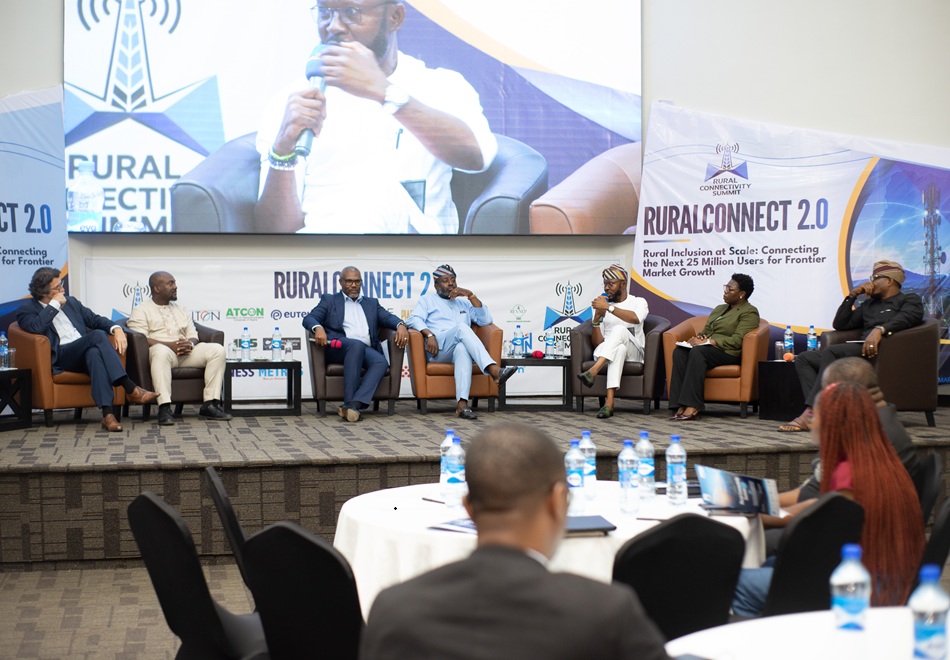
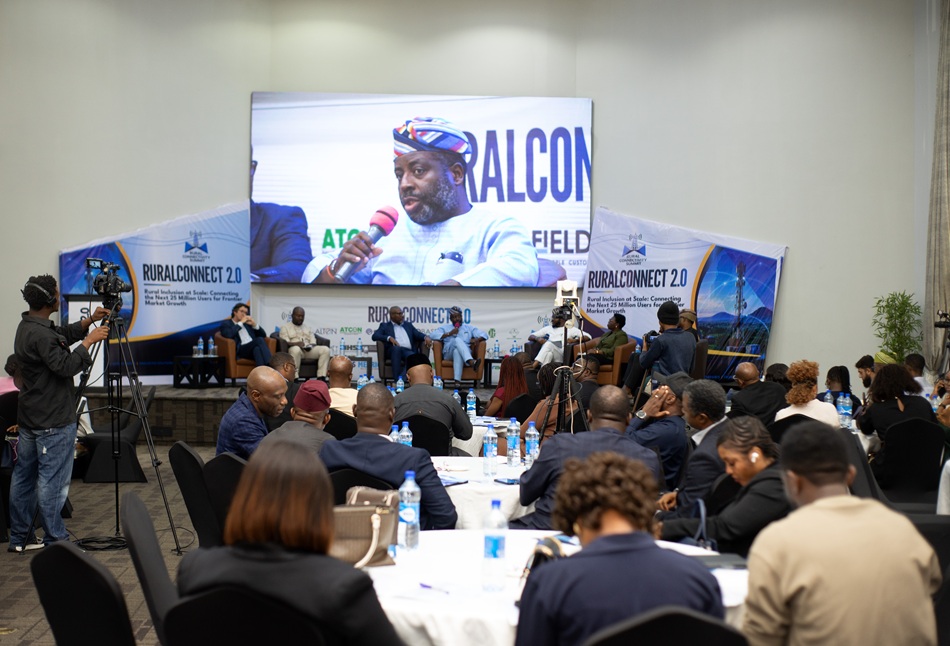
At the second Rural Connectivity Summit (RuralConnect 2.0), organised by Business Metrics Limited in Lagos, industry leaders called for closer integration of electricity and telecommunications infrastructure, innovative financing and stronger support for last-mile connections to bring more underserved communities online.
The summit, themed “Rural Inclusion at Scale: Connecting the Next 25 Million Users for Frontier Market Growth,” brought together regulators, government agencies, telecoms operators, infrastructure providers, satellite companies, technology firms and investors to examine the challenges limiting access to digital services in rural communities.
Beyond coverage to meaningful usage
The President of the Association of Telecommunications Companies of Nigeria (ATCON), Tony Emoekpere, said the industry must move beyond measuring progress through network coverage and subscriber numbers to ensuring that rural residents could afford and use available services.
“We need to move away from coverage and think about how to ensure that people in rural communities use the technology services rendered to them,” he said.
Mr Emoekpere identified the cost of digital devices and data as major barriers to meaningful digital participation.
He also called for a rethink of the commercial model for rural connectivity, urging operators to consider schools, primary healthcare centres, local government facilities and farm cooperatives as anchor customers capable of generating predictable demand and revenue.
“A site that connects a school, a primary healthcare centre, a local government and a farm cooperative can enter the phase of revenue from day one. And that can serve as a sustainability,” he said.
He further urged stakeholders to plan electricity and telecommunications infrastructure together, arguing that every mini-grid project should provide an opportunity to support a connectivity site.
Power remains a major constraint
The link between electricity and telecommunications emerged as a major concern at the summit, with the Rural Electrification Agency (REA) highlighting the cost of using diesel to power rural telecommunications infrastructure.
In his keynote address, the Managing Director and Chief Executive Officer of the REA, Abba Aliyu, said Nigeria had more than 11,000 rural base stations, with an estimated 40 million litres of diesel consumed monthly to power many of them.
“Across the digital sector, when you are talking about rural base stations and rural connectivity, we have over 11,000 rural base stations. And it’s estimated that over 40 million litres of diesel are consumed every month on powering a lot of these rural base stations,” he said.
Mr Aliyu, who was represented by the agency’s Executive Director of Technical Services, Umar Umar, described reliable electricity as “the enabling infrastructure for rural connectivity”.
He said the REA and the Nigerian Communications Commission (NCC) were working to integrate electricity infrastructure with telecommunications networks.
According to him, the collaboration had progressed from mapping rural mini-grids and telecommunications base stations to assessing business models and preparing pilot projects involving network operators, tower companies and mini-grid developers.
He also highlighted interventions under the Nigeria Electrification Project, which he said had recorded about 380 grant agreements, more than 150 commissioned hybrid solar mini-grids and approximately 1.45 million solar home systems deployed.
Mr Aliyu said the $750 million World Bank-funded Distributed Access through Renewable Energy Scale-Up (DARES) programme was expected to support the deployment of 1,350 mini-grids, including 250 interconnected mini-grids.
He noted that the programme aims, among other objectives, to provide new electricity access to about 17.5 million Nigerians.
Financing the last mile
The Founding Partner of Infratel Africa, Tola Yusuf, said the main challenge to rural connectivity was not a lack of solutions but the ability to implement them sustainably.
Presenting a paper titled “The Reality of Rural Connectivity: Pursuing Sustainable Deployment Amid Multiple Challenges”, Mr Yusuf identified five factors that determine whether rural networks can be sustained: power, payback, permits, protection and people.
“Building a rural site is hard. Keeping it alive is harder,” he said.
He called for greater use of solar energy, more viable financing models, streamlined approval processes, stronger protection of infrastructure and increased community participation.
Citing findings from his doctoral research, Mr Yusuf said stakeholders broadly recognised the importance of blended finance, infrastructure sharing, renewable energy and community participation. However, he said funding, coordination and timely implementation remained major weaknesses.
“Nigeria does not have an ideas problem. We have an execution problem,” he said.
He urged stakeholders to assess progress through practical outcomes, including network uptime, affordability and connectivity in schools and healthcare centres. “Fund the service. Reward the outcome,” he said.
Mr Yusuf also cautioned that expanding backbone infrastructure would not automatically connect rural communities without deliberate investment in the last mile.
Referring to Project BRIDGE and its planned 90,000 kilometres of fibre, he said reaching local government headquarters did not necessarily mean reaching villages.
“Reaching the LGA headquarters is not reaching the village. The backbone creates capacity. The last mile creates inclusion,” he said.
Call for local investment and inclusive policies
The Director of Strategic Business Initiatives at ipNX Nigeria, Olusola Teniola, said expanding connectivity would require long-term, naira-based financing and stronger support for indigenous companies capable of serving hard-to-reach communities.
He also called for local peering and local content, stressing that policies and strategies should incorporate the needs and ideas of rural communities.
“Those policies and strategies need to be intentional, otherwise we will keep going round in circles,” Mr Teniola said.
In his welcome address, the convener of RuralConnect 2.0, Omobayo Azeez, said rural connectivity had become more than a telecommunications issue because of its implications for economic opportunities, education, healthcare, agriculture, financial inclusion and public services.
He identified high infrastructure costs, unreliable electricity, difficult terrain, limited backbone infrastructure and uncertain commercial returns as some of the factors making rural deployment difficult.
“This is why RuralConnect seeks to move the conversation from connectivity as an aspiration to connectivity as an actionable development agenda,” Mr Azeez said.

