




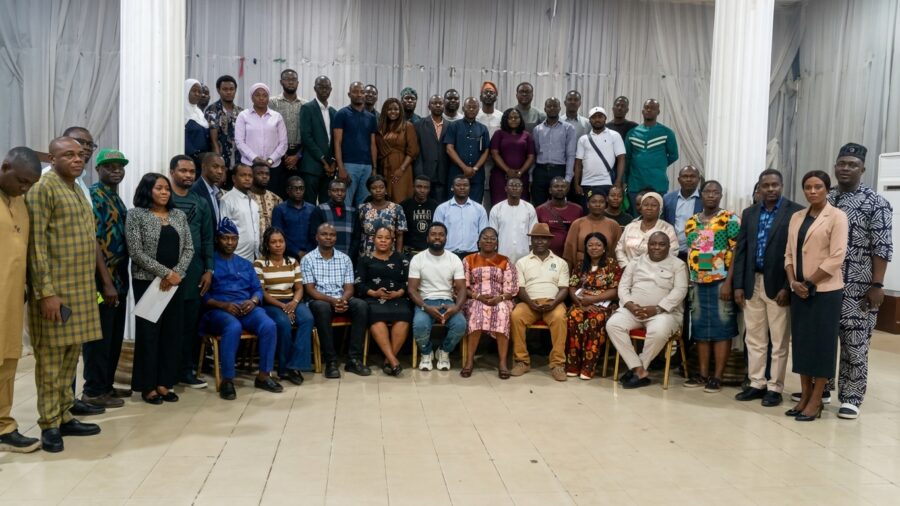
Research involving 318 solar technicians in Lagos has exposed significant gaps in training and certification, raising concerns about the safety and quality of installations as solar adoption grows.
As more households and businesses in Lagos increasingly turn to solar energy amid unreliable electricity and rising generator costs, a new study has found that only 49 per cent of surveyed technicians possess certificates related to their technical work, raising concerns about the safety and quality of solar installations.
The research, conducted by Eghosa Igudia, a researcher and lecturer at De Montfort University, Leicester, United Kingdom, involved 318 technicians and found that while 87 per cent of those surveyed had undertaken solar-related work, only 58 per cent had attended solar-related training.
Two out of three technicians identified apprenticeship as their most important means of learning, while close to four out of five said available training was too theoretical and needed to become more practical.
The gap has raised concerns about the capacity of technicians to safely support Nigeria’s growing transition from generators to solar energy, prompting calls for stronger training, retraining, certification and regulation of the sector.
The research was presented at a technicians and stakeholders’ convening on the transition from genset to solar energy in Lagos, where researchers, technicians, business owners, training institutions, policymakers and renewable energy practitioners examined the skills gap threatening the quality and sustainability of the country’s growing solar market.
The engagement, supported by the African Cities Research Consortium (ACRC), also explored practical measures for training, financing, certification and regulation.
Rising solar adoption exposes skills gap
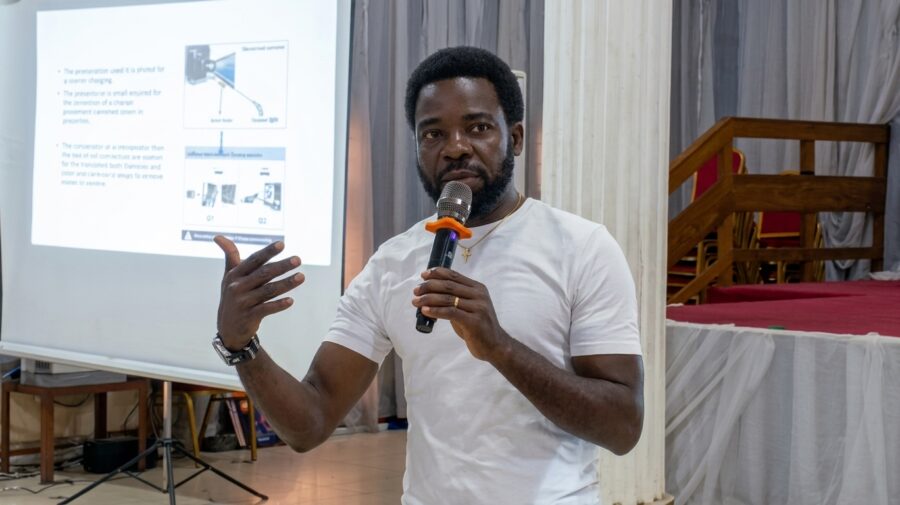
The researcher, Mr Igudia said the transition is being driven largely by Nigeria’s unreliable electricity supply and the rising cost of running generators.
Lagos, with a population of about 22 million according to 2023 state statistics, has experienced increasing demand for alternative sources of electricity as households and businesses contend with frequent power outages.
The research noted that national grid electricity access stands at about 55 per cent, while solar photovoltaic accounted for about 15 per cent of electricity sources used by Lagos businesses in 2024.
Mr Igudia said the transition to solar also presents an opportunity to reduce emissions and support Nigeria’s climate commitments, but warned that inadequate technical skills could undermine the benefits.
The research found that 53 per cent of the technicians surveyed had been doing solar-related work for more than three years. It also showed that 46 per cent were self-employed and 41 per cent employed between three and five people.
Poor installations threaten confidence in solar
Stakeholders warned that inadequate technical competence can have consequences beyond poor system performance.
Mr Igudia said the research documented cases of houses being damaged or destroyed by fires linked to improperly installed solar systems, including problems involving batteries and other components.
“When your neighbours get to know that solar energy, solar installations will set your house on fire or lead to the death of someone else, they are not going to want to have anything to do with it,” he said.
He warned that such incidents could create public apathy towards solar technology and ultimately undermine Nigeria’s efforts to reduce emissions.
He therefore called for a clear regulatory framework that would establish training requirements, certification standards and safety measures, while also educating consumers to verify the qualifications of installers before hiring them.
Genset technicians could drive clean energy transition
The findings also point to an opportunity to retrain technicians already working in the generator sector.
According to Mr Igudia, 10 per cent of the technicians surveyed had previously worked in genset-related activities, while 35 per cent had backgrounds in electrical installation.
He said the existing skills of genset technicians could be converted to support the expanding solar sector rather than leaving them behind as Nigeria moves towards cleaner energy.
The study found that technicians were entering solar mainly because of growing demand, declining profitability of genset work and the desire to acquire new skills. The largest group, 28 per cent, said they were motivated by an interest in clean energy and new technology.
However, stakeholders said generators are unlikely to disappear completely in the immediate future, suggesting that different energy technologies may continue to operate alongside one another.
Training and certification remain major concerns
Going forward, Mr Igudia said the findings make training, retraining and certification central to improving safety and professionalism in the sector.
He said almost all the technicians surveyed wanted further training, with 97 per cent expressing willingness to train, although finance remained the biggest barrier because of the cost of acquiring new skills.
The Programs Manager at Sustainable Research and Action for Environmental Development (SRADEV Nigeria), Victor Fabunmi, said Nigeria’s transition to green energy would require greater investment in technical capacity.
Mr Fabunmi said moving from genset to solar could help reduce emissions and contribute to Nigeria’s nationally determined contributions, but noted that many technicians still rely on apprenticeship without formal certification.
He also raised concerns about the future management of waste from solar technologies, including used lead-acid batteries and emerging lithium-ion battery waste.
Stakeholders seek regulation, investment in green skills
The Head of Business Development at Instollar, Jato Olaolu, said the transition must also recognise the importance of human infrastructure.
He said technical competence should be demonstrated through proper system sizing and an assessment of a customer’s actual energy needs before installation.
Mr Olaolu also called for the curriculum to be reviewed from primary through tertiary education to build technical skills and professional standards early.

The founder and chief executive officer (CEO) of Instollar Technologies, Chinwe Udo-Davis, said the government must help coordinate the numerous training and solar initiatives emerging across the country.
She said the sector had made progress in gaining public trust and attracting financing, but the shortage of people capable of installing and maintaining systems remained a major bottleneck.
“If I live in rural Zamfara and a solar company based in Abuja makes the effort to come to Zamfara to do my solar installation for the first time, they will not repeatedly go to maintain those systems,” she said.
Mrs Udo-Davis said developing local technician networks could simultaneously address energy poverty and youth unemployment by creating jobs in communities where solar systems are being deployed.
She added that genset technicians should see the transition as an opportunity to transfer their electrical and mechanical skills into solar and electric mobility.
Brain drain threatens technical capacity
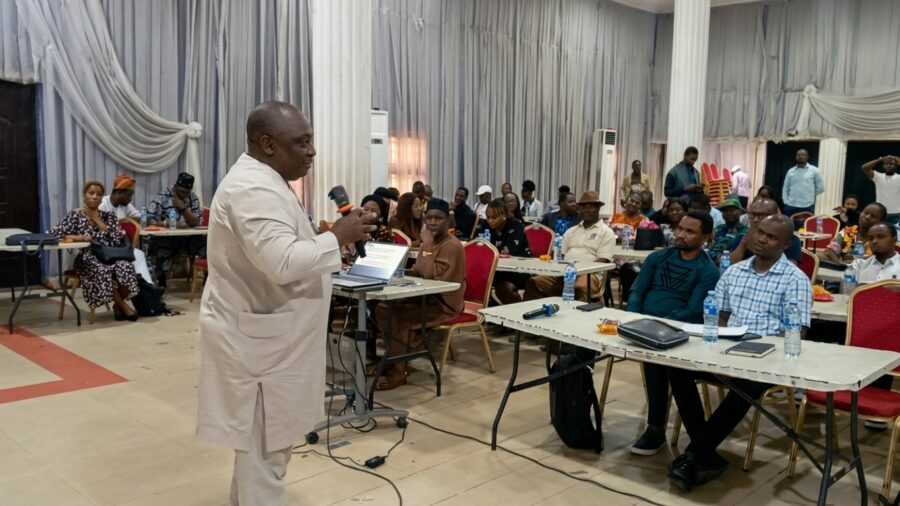
At the close of the engagement, a lecturer at the University of Lagos, Adeola Balogun, a professor, raised another concern on brain drain as a silent setback for training the technicians and for stakeholders and investors in the energy sector.
“We are talking about training, who is to give the training? Can you give what you don’t have?” Mr Balogun asked.
He warned that the country cannot rely on people presenting themselves as solar experts without the appropriate technical background.
“What I’m saying in a nutshell is that we have to go back to school to get the right skill, the right kind of engineering for solar,” he said.
The Director of Transport Operations at the Lagos State Ministry of Transportation, Olasunkanmi Ogoowuro, also said a regulatory framework should provide the foundation for addressing training, financing and the cost of acquiring renewable energy technologies.
He said government, private-sector players and users would need to work together, while the government provides the policy direction for sustainable energy use.
