


From Ibadan to remote communities, parents are routinely asked to pay for examination materials, development levies, security fees and even basic classroom supplies. Individually, the charges seem small; together, they are pushing some children out of school.
Across Oyo State, school-age children are often seen hawking goods, running errands or engaged in other economic activities during class hours. For many families, the problem is not a lack of interest in education, but the growing burden of unofficial costs attached to a system meant to be free.
The contradiction is striking. In June 2025, the Oyo State Executive Council approved ₦63.48 billion for the renovation of the Government House ahead of the state’s 50th anniversary. While officials justified the expenditure as necessary, the decision raises broader concerns about priorities in a state grappling with high out-of-school rates and gaps in basic education delivery.
Findings by DevReporting show that these hidden charges, often informal and unpredictable, have become a quiet barrier to access, particularly for low-income families.
What statistics say
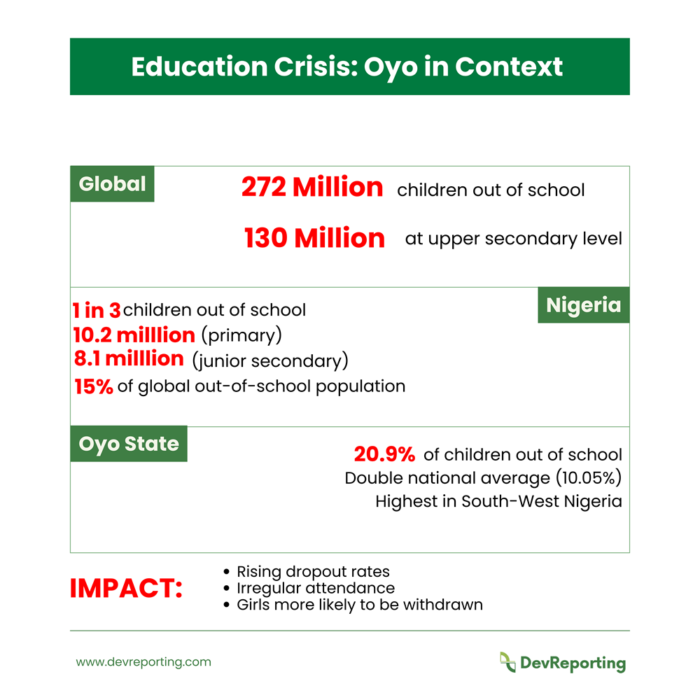
Data underscores the severity of the problem. Globally, United Nations Educational, Scientific and Cultural Organisation (UNESCO) estimates that 272 million children and youth were out of school as of 2023. This includes 78 million of primary school age, 64 million of lower secondary age, and 130 million of upper secondary age. The upper secondary level is the most affected, accounting for nearly half (48 per cent) of the total number of out-of-school learners.
In Oyo State, the situation is particularly concerning. According to 2022 data from the Planning, Research, and Statistics Department of the state’s Ministry of Education, 20.1 per cent of children are out of school, the highest rate in Southwest Nigeria. This is further supported by the 2024 Nigeria Multidimensional Poverty Index report, produced in collaboration with the National Bureau of Statistics and UNICEF, which shows that 20.9 per cent of children aged 6–15 in Oyo State are out of school, more than double the national average of 10.05 per cent.
Historical data also highlights a troubling rise in school dropout rates across different age groups in the state. Statistics from the Oyo State Bureau of Statistics show that in 2018, the highest number of dropouts occurred among students aged 15–18, with 88,645 boys and 94,285 girls leaving school. Dropout rates were also recorded at 4 per cent for children aged 3–5; 10.5 per cent for ages 6–11; 15 per cent for ages 12–14, and 23.7 per cent for those aged 15–18, indicating that the likelihood of dropping out increases with age.
Inherited liability
State government records show that upon assuming office in 2019 for his first four-year term, Mr Makinde inherited a total figure of 272,847 out-of-school children. And in response, the governor had pledged to rewrite the tale, declaring a no-fees-and-levies policy across the state’s 3,690 public primary and secondary schools.
Across these 3,690 public schools were said to be enrolled 2,520,184 students, while a total of 568,753 students were enrolled across a total of 7,283 private schools in the state.
Mr Makinde also reportedly pledged to enact a law restricting children from roaming the streets during school hours while implementing the Better Education Service Delivery for All (BESDA) programme, a World Bank-supported intervention designed to bridge gender gaps, attract marginalised children and strengthen foundational learning.
Early commitment sign
To prove his determination to fix the challenge, the governor had in 2019 approved the release of ₦526 million as running costs for primary and secondary schools across the state.
The then Chief Press Secretary to Mr Makinde, Taiwo Adisa, in a statement issued at the time, said ₦400 million was allocated to secondary schools, while primary schools received ₦126 million. The funds, he said, were intended to cover operational costs and support the abolishment of the N3,000 sessional fee previously paid by parents.
Meanwhile, records show that the current governor had inherited 272,847 out-of-school children and enrolled 54,569 children (10,914 boys and 43,655 girls) within two years, a 20 per cent reduction.
And very recently, the governor disclosed that about 65,000 out-of-school children have returned to classrooms in the state, noting that Oyo State has benefitted from the Better Education Service Delivery for Additional Financing (BESDA-AF) intervention programme to improve the state’s education sector.
While thanking the World Bank and the Universal Basic Education Commission (UBEC) for providing the structural and funding support, Mr Makinde assured that his administration would put in the necessary efforts and resources to access the funds allocated to the state in the new cycle.
Students, parents tell tales
Students across different schools in Oyo State say payment of different fees has become a routine condition for participation in school activities.
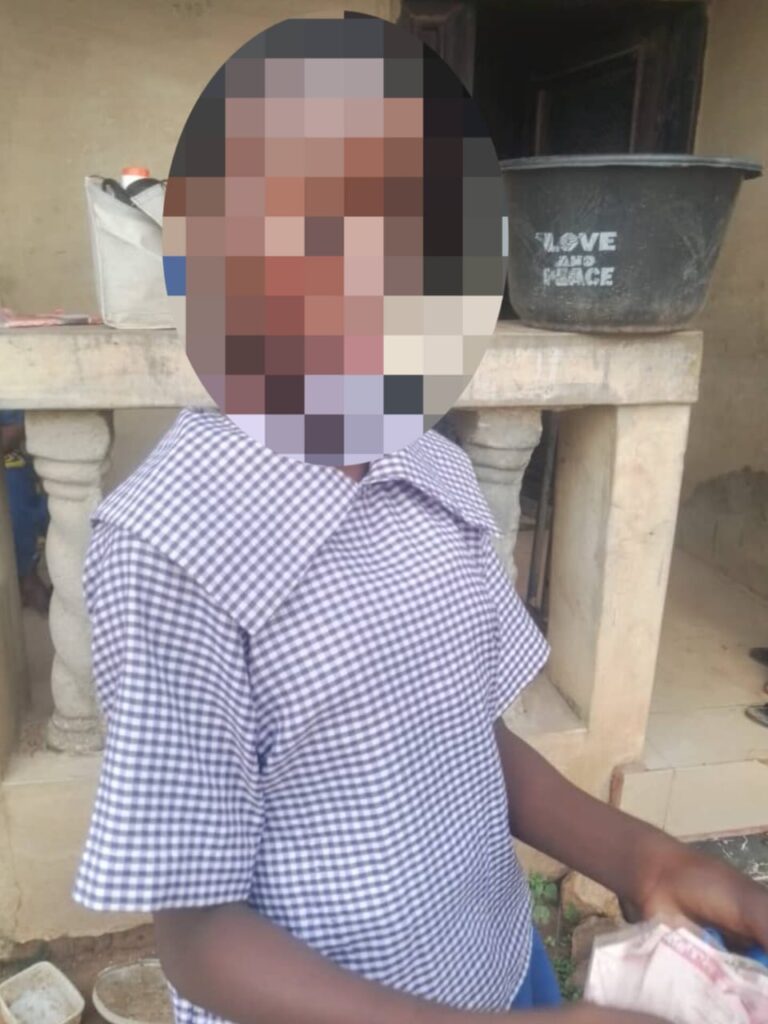
A student of Bishop Philips Academy, Iwo Road, Quwiyat Bello, said in her school, students pay for answer sheets and development fees. She also decried the money charged for the West African Senior School Certificate Examination (WASSCE) as exorbitant.
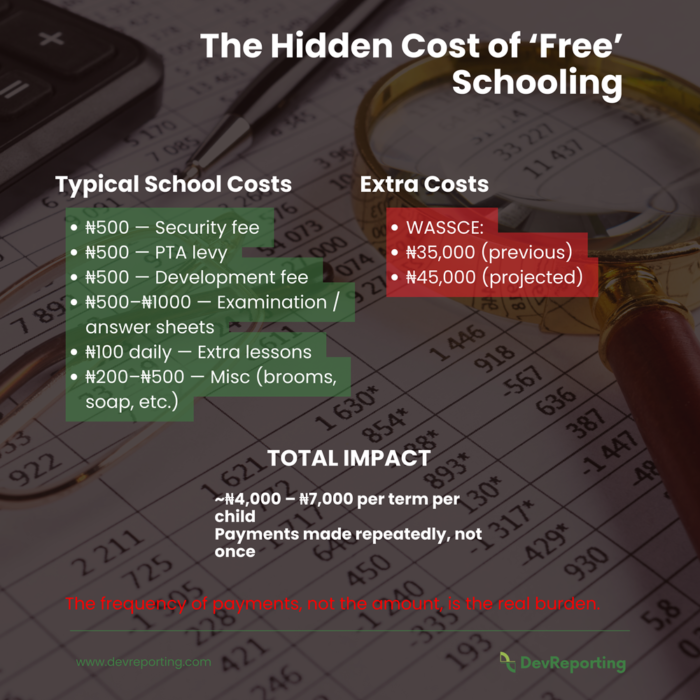
Aworinde Peace, an SS 1 student at Muslim Grammar School, Oluyole LG whose father is a driver and her mum sells local alcoholic gin (ogogoro), said, “Apart from paying for textbooks, we pay N500 for security, N500 for Parent-Teacher Association (PTA) and N100 daily for extra lessons.”
Another student of Community High School, Ajagba Wakajaiye in Egbeda Local Government Area of Oyo state, Temitope Oladimeji, said, “We pay N500 as development fees and another N500 for answer sheets. We pay cash to any teacher who is assigned to collect it, and we pay every term. There are about 100 students in my class.”
Similarly, Alawode Rokibat, a student of TL Oyesina High School, Iwo road, Ibadan said her school collects cash payments for security, examination and development. “We pay N200 for development, N500 for security and N1000 for examination. We make cash payments to teachers,” she stated.
Jimoh Zainab, a student of Monatan High School, Wofun, Iyana Church, said, “We pay when we want to do practicals like Physics, Chemistry and Biology. In addition to that, we pay development levy every term.”
Dada Darasimi, student of Community High School, Ogungbade, Egbeda Local Government Area, also narrated that when her school hall collapsed, students were asked to pay N2,000 each to rebuild it. “We also paid N500 each to mend the school fence. We pay development fees and for soap,” she added.
Meanwhile, many parents who spoke to DevReporting on the matter said the cumulative effect of these charges is overwhelming.
A parent and trader who identified herself simply as Toyin said, “They collect development levy from my children. In addition to that, there are many other payments the children pay, such as the purchase of canes to school.
“The government said it’s free education, but we are seeing otherwise. The money we pay per term on each student is almost N6,000, which is not supposed to be. I am pleading with our government to come to our aid on this.”
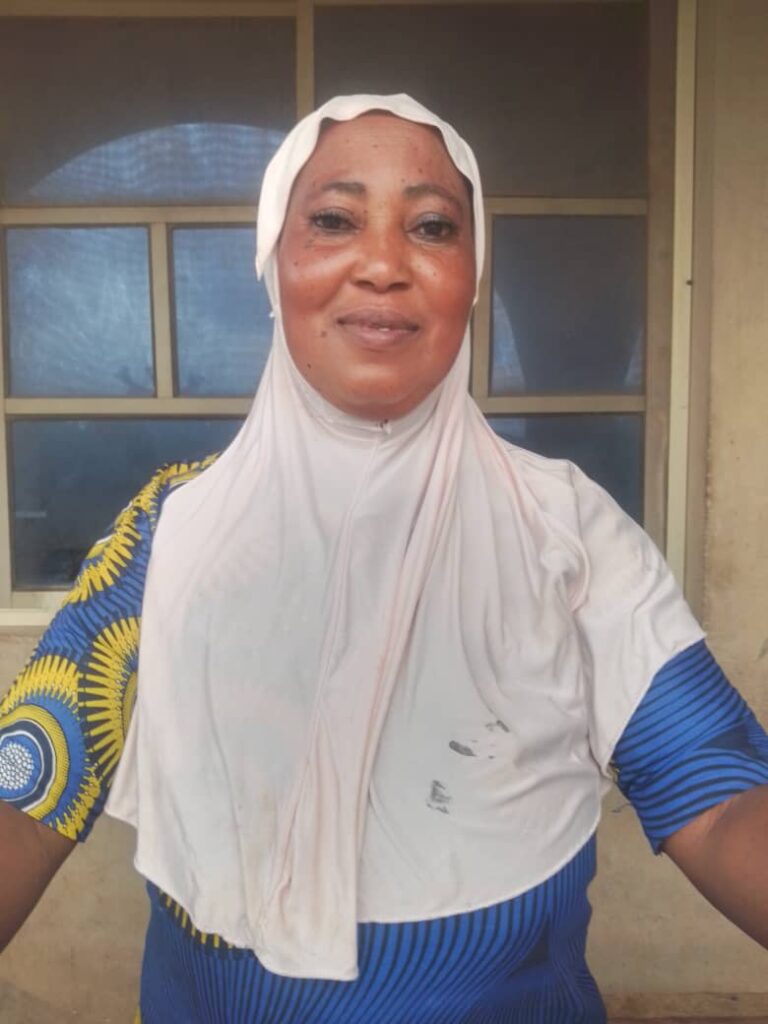
Quwiyat’s mother, identified simply as Mrs Bello, noted that before now, students didn’t pay for WASSCE, but now they do. “This government does not want children of the poor to go to school. Those who sat the WASSCE last year paid N35,000. We learnt that this year, it’s going to be N45,000. Please help us beg the government to reduce it for us. When the cost of exams becomes too high, children whose parents cannot afford it will drop out.
Another parent, identified as Funmilayo, a fashion designer, said, considering the frequency and the amount of the hidden cost, parents should enrol their wards in low-cost private schools.
“If one payment is made this week, next week it will be a different one, like N500 for a broom,” Mrs Funmilayo said, adding, “When we calculate, the total payment requested from the school sometimes amounts to N4,000 or more. The government has said education is free, but we keep paying some money. The examination answer sheet, for instance, is supposed to be free, but we are asked to pay N50 per answer sheet”.
Rukayat Basiru, a parent whose children attend a public school at Atolu in Oremeji Area of Ibadan, said the school collects money from pupils during examination periods for items such as answer sheets and the purchase of tissue papers.
Mrs Basiru said she was made to pay ₦6,000 for the registration of her two children, at ₦3,000 each. She also alleged that pupils are beaten during morning assembly for defecating in open spaces, even when they are told that the school toilets are unusable. In addition, she said the school demands a N200 security fee.
“When parents complain, teachers claim that the practice was directed by the government. This is unbelievable,” she stated.
Rokibat’s mother, a cheese seller who simply gave her name as Mrs Alawode, confirmed paying N35,000 for last year’s WASSCE, N500 for development fee and N200 for security.
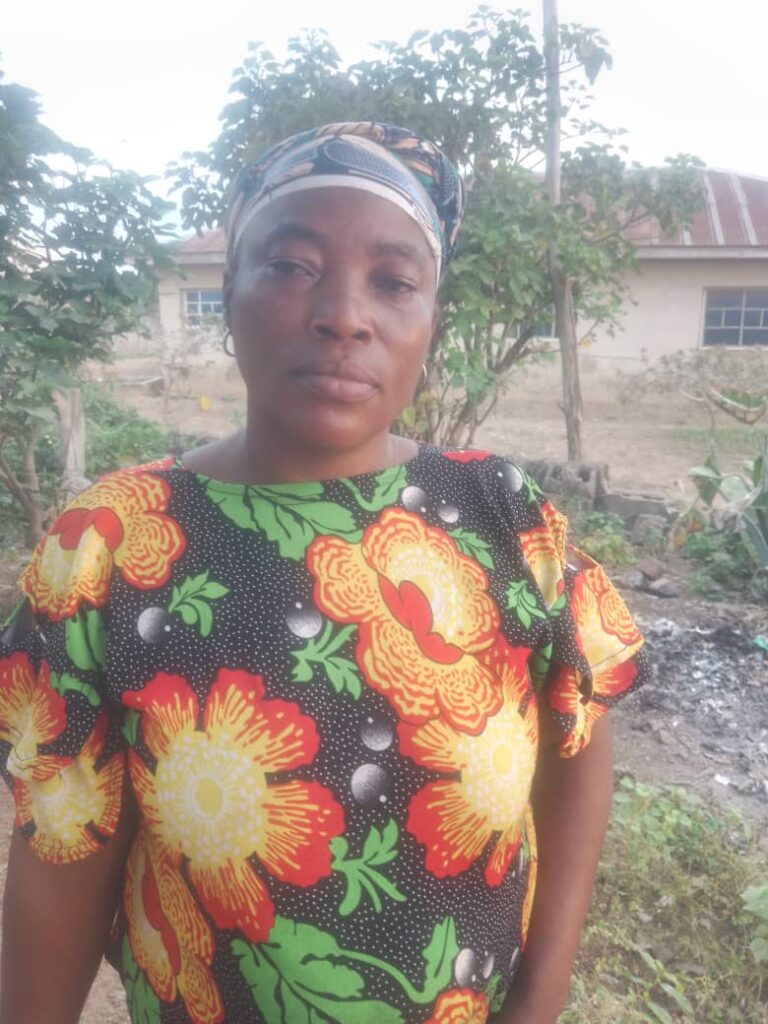
“The total cost of money I paid for my younger children who didn’t sit WASSCE was over N7,000. We do not know who or how to question the authority over why we keep paying several amounts of money despite the free education policy. Those are some of the things you suffer when you are poor,” she expressed.
Balkis Olayiwola, a provision seller whose children attend Community High School, Ajagba, however, holds a different view. She said that although parents are asked to pay some levies, sometimes amounting to about ₦5,000 or more, she believes the cost is still lower than what private schools charge.
What the law says
Nigeria’s Compulsory, Free Universal Basic Education Act of 2004 makes education at the primary and junior secondary levels both free and compulsory. The law places responsibility on the government to provide education and obliges parents to ensure their children attend and complete school.
Crucially, the Act states that all services provided in public primary and junior secondary schools must be free of charge. Any person who collects fees from students at these levels commits an offence, punishable by a fine or imprisonment.
Part I, section (2) (1) states, “Every Government in Nigeria shall provide free, compulsory and universal basic education for every child of primary and junior secondary school age.
“(2) Every parent shall ensure that his child or ward attends and completes his (a) primary school education; and (b) junior secondary school education, by endeavouring to send the child to primary and junior secondary schools.”
The law also empowers authorities to reprimand or penalise parents who fail to send their children to school. However, the growing list of levies deepens the financial strain on households and raises serious legal questions.
Free education exists only on paper – Teachers speak

Speaking anonymously, a teacher at Community High School, Ogungbade, confirmed that many of these practices are known within the system.
The source said, “We are facing a lot. The government said that education is free, but indirectly, it is not free. Students pay for tests and examinations. For example, we conduct tests twice in a term, and the students pay for them. We have booklets that are ready-made with the name of the school printed on them for the students to use for tests. Then, the students pay for examination papers and scripts. There is no development at all in the school. Only the schools know what they have been doing to generate revenue.
“In my school, the roofs are dilapidated. Recently, we went home for the weekend and on resuming by Monday, we discovered that the school hall had collapsed, and this is the only hall we use for examinations like WASSCE, NECO and meetings. We had to write a letter soliciting help to rebuild the hall. In fact, when some construction workers came around to check the building, they advised that we demolish and rebuild from the start, but where are we going to get the money from?
Another teacher, who also refused to be identified for fear of sanctions, said the implementation of free education in Oyo State has largely reduced financial pressure on parents, although some minor costs still arise at the school level.
According to her, the government appears to be making efforts to sustain the policy, but certain small expenses, particularly those related to examination materials, are occasionally borne by students. She explained that in the schools where she has worked, the main payments requested from students were for test or examination scripts, which she described as modest and non-compulsory.
She noted that the cost of answer sheets remained relatively low, citing examples where scripts were previously sold at two for ₦50 and, more recently, at ₦70 per copy. She stressed that students were not compelled to make the payments and that the charges were meant to support basic academic activities rather than for profit.
On other levies mentioned by parents, including security or development fees, the teacher said she had not encountered such practices in the three schools where she had served. However, she acknowledged that some schools may introduce minor contributions to address local operational needs that fall outside direct government provision.
She gave the example of a yearly contribution of about ₦3,000 requested from students in her current school to support environmental maintenance, particularly grass clearing on a large school compound. According to her, the payment was not enforced, and when some parents declined to contribute, students were instead assigned to participate in clearing activities during designated periods.
Despite increasing budgets, hidden costs persist
While concerns about hidden school charges continue to surface, available records show that the Oyo State Government has consistently prioritised education, particularly in its budgetary commitments over the years.
Since 2020, allocations to the education sector have steadily increased, with spending levels largely aligning with and in some years surpassing UNESCO’s recommendation that governments dedicate between 15 and 20 per cent of annual budgets to education.
In 2020, the sector received ₦47 billion out of the state’s ₦213 billion budget, representing about 22 per cent. The allocation rose to ₦56.3 billion in 2021, accounting for 21 per cent of total spending.
Although there was a slight decline in 2022, when education received ₦54.1 billion, representing 18.37 per cent of the state’s ₦294.5 billion budget, allocations climbed again in subsequent years. The sector was allotted ₦58.2 billion in 2023 and ₦90.6 billion in 2024, while the 2025 budget estimate earmarked ₦145.26 billion for education, one of the highest sectoral allocations, representing 21.44 per cent of the state’s ₦678 billion budget.
For policymakers, these figures reflect sustained investment in education. However, for stakeholders in the education sector, the recurring reports of school-level charges suggest that increased budgetary allocations may not always translate into sufficient operational support at the grassroots level, raising questions about implementation gaps and the availability of running grants within schools.
Government must explain what’s free and what’s not
The Executive Director of University Press Plc, Ganiyu Adebayo, in an interview, stressed the need for the government to clarify what constitutes free education in the state.
He said, “Many states say they operate a free education policy, but what does free education mean when students do not have books or learning materials?” he asked.
Mr Adebayo urged the state government to publicly define what it can realistically provide, particularly regarding levies that are now treated as illegal despite the absence of government-funded alternatives.
He cautioned that until the government defines what is free and what is not, confusion, mistrust, and informal charges will continue. “We deceive ourselves when we assume the government can provide everything; the government cannot provide everything”, he noted.
He added that some levies, while controversial, arise from genuine need. “If you visit some schools, you will pity the workers. Even photocopying official circulars often required contributions from staff or parents,” Mr Adebayo said, pointing to dilapidated classrooms and the cost of basic supplies.
Oyo State Government responds
Responding to the development, the Oyo State Commissioner for Education, Olusegun Olayiwola, dismissed the claims, describing them as politically motivated.
While he did not respond to the question that asked him to explain what constitutes free education in the state, he said the administration had taken significant steps to revive the education sector, including the employment of over 15,000 teachers and the payment of their salaries. According to him, the government inherited dilapidated infrastructure and severe staff shortages from the previous administration.
“We met secondary schools that were virtually carcasses, no teachers, no infrastructure. The problems people are complaining about today were there for years before we assumed office,” he said.
The commissioner denied that no school had been authorised to collect development or security levies, insisting that such practices were illegal. He challenged parents and journalists to provide evidence.
“Get me the name of any principal charging development levy. If I verify it, that principal will be suspended immediately.”
He added that the government had employed over 4,000 non-teaching staff, including security personnel, arguing that there was no justification for schools to demand security fees from students.
The commissioner also suggested that some of the complaints may be linked to political opposition ahead of elections, describing them as attempts to discredit the administration.
Defending the government’s performance, he noted that Oyo State currently meets UNESCO’s recommended teacher-student ratios and ranked third in the most recent NECO results.
“Progress is being made. Rome was not built in a day. If any teacher or principal is found engaging in illegal charges, appropriate disciplinary action will be taken.”
NGO raises enforcement, transparency concerns
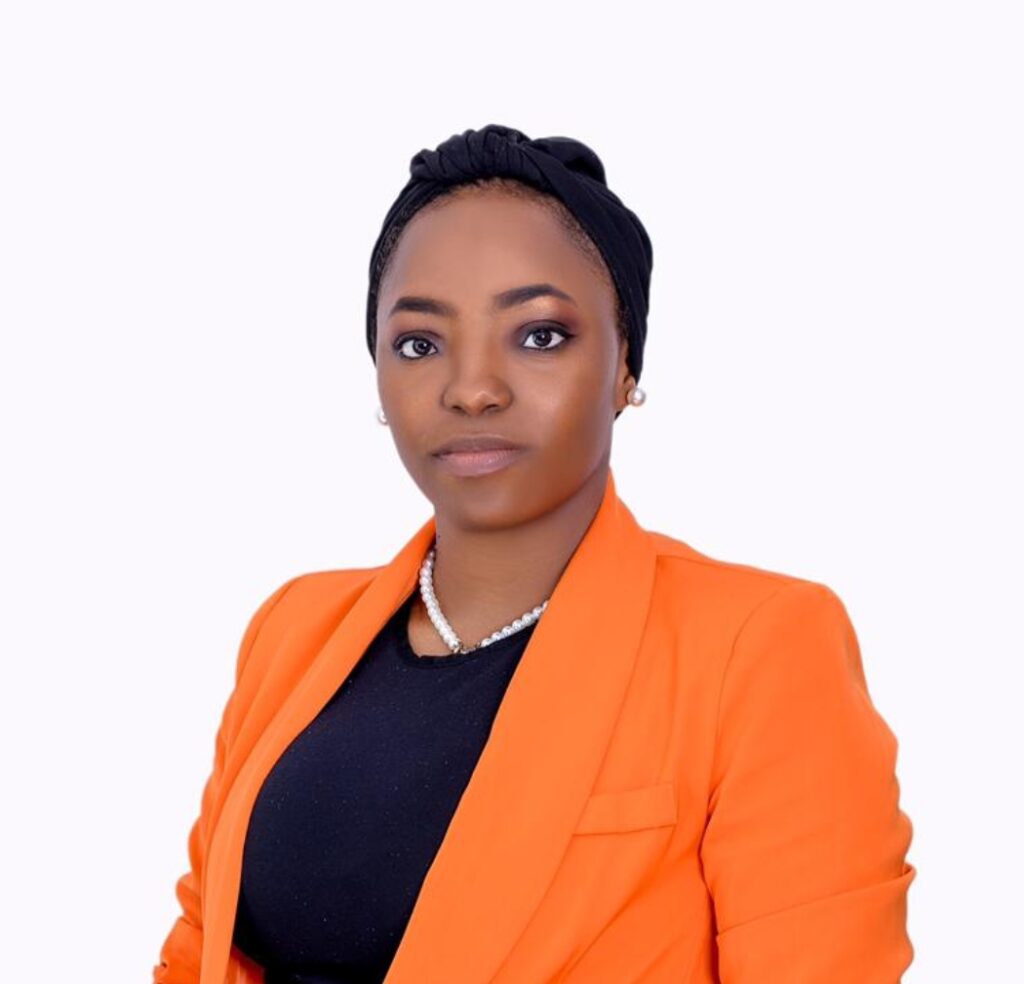
Commenting on the multiple levies charged in public schools, an advocate for quality education and founder of Possi Foundation, Rukayat Olagunju, said the Oyo State Government had issued clear directives prohibiting students from paying for items such as brooms, cutlasses, sportswear and other sundry charges.
However, she alleged that some teachers and school administrators continue to impose these payments on their own initiative.
“What we see is a situation where rules exist, but there are no effective mechanisms to enforce them. Who is really on the ground to monitor compliance and give honest reports? Even where inspectors exist, familiarity between school administrators and monitors weakens accountability. As a result, reports are either watered down or not submitted as they should be.”
Speaking on examination-related charges, Ms Olagunju said the government had also stipulated that students should not pay for common entrance examinations. She explained that Possi Foundation runs scholarship programmes for academically outstanding but financially disadvantaged students from primary school through to university.
“Last year, we had three pupils transitioning from primary to secondary school who needed to sit the common entrance examination, and we ended up paying for them. What we discovered was troubling. The amount paid for one child differed from what was paid for another child in a different school. It became clear that some teachers and school heads were adding extra charges to what was officially required.”
According to her, the foundation paid ₦11,500 for one candidate and just over ₦8,000 for another in the same examination year.
She urged the state government to digitalise the registration and payment processes for examinations to curb extortion.
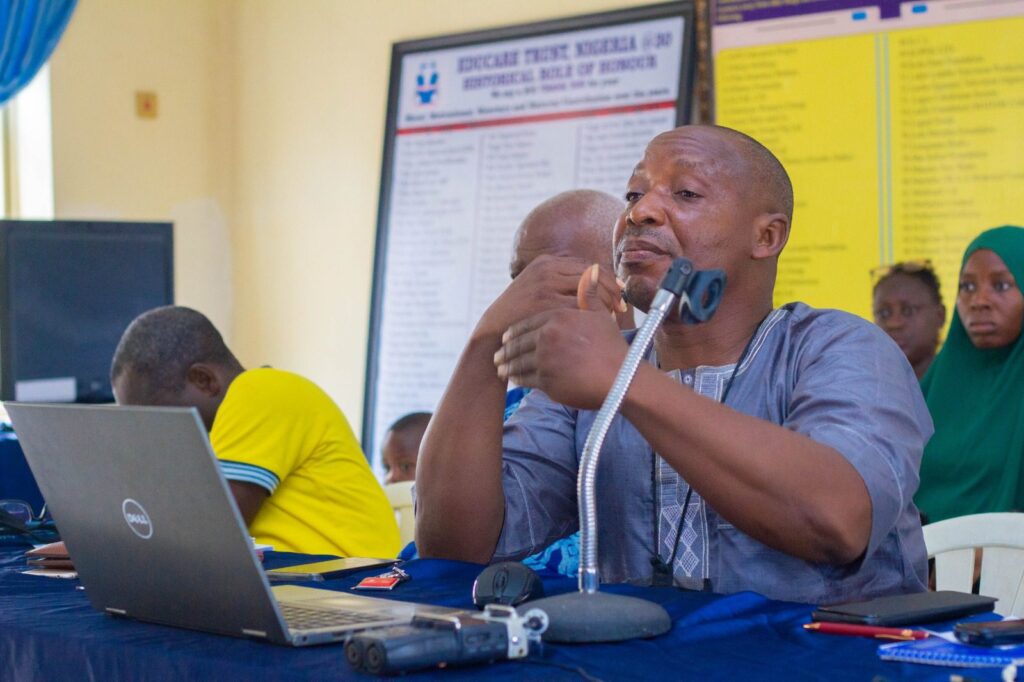
Similarly, the Programme Director of Educare Trust Nigeria, Folorunsho Moshood, said civil society organisations are increasingly concerned about reports of hidden costs attached to supposedly free education in the state.
He mentioned that information reaching them suggests that running grants previously pledged by the Oyo State Government in 2019 may no longer be released consistently.
According to Mr Moshood who is also the coordinator of Civil Society Action Coalition on Education for All (CSACEFA) caretaker committee in Oyo state, the reduction or absence of these grants could be contributing to the emergence of unofficial charges in schools.
He explained that while some payments, such as WASSCE fees, are understandable because they relate to external examinations managed by a regional body, basic education from early childhood classes to JSS 3 is legally expected to be free under Nigeria’s Universal Basic Education Act of 2004. The law, he noted, not only mandates free, quality basic education but also makes it an offence for parents to refuse to enrol their children in school.
Beyond funding concerns, Mr Moshood highlighted broader structural challenges within the state’s education planning. He said past education sector analyses and plans developed during the COVID-19 period were hurriedly prepared as part of requirements for the World Bank-supported Global Partnership for Education project, resulting in limited attention to gender considerations.
According to him, the absence of a comprehensive Gender-Responsive Education Sector Plan continues to hinder efforts to address disparities affecting both boys and girls. While acknowledging that the Oyo State Government is making efforts to improve education quality, he argued that more deliberate action is needed, particularly in budgeting and infrastructure aimed at supporting girls’ education.
“Oyo State’s Education Roadmap (2023-2027) is not sufficiently gender responsive,” he said, stressing that denying girls access to education ultimately undermines national development.