




The death of popular Nollywood actor Alexx Ekubo from metastatic kidney cancer has triggered nationwide conversations about a disease many Nigerians barely understand until it becomes fatal.
To fans and colleagues, the actor appeared vibrant, youthful, and healthy. That reality has now become central to the public reaction surrounding his death. According to a statement by his family, the cancer had already become metastatic before his death, meaning it had spread from the kidneys to other organs.
“After a brief but courageous battle, Alexx passed away at Evercare Hospital due to complications arising from advanced metastatic kidney cancer,” the statement released on his official Instagram handle read. “Throughout this difficult journey, he bore his pain with remarkable strength, unwavering faith, and enduring hope, believing that one day his testimony would be shared with the world.”
According to medical experts, metastatic kidney cancer is considered one of the most dangerous stages of the disease.
“Once kidney cancer becomes metastatic, treatment is no longer just about removing a tumour from the kidney,” said Abrose Ebi, a Lagos-based medical practitioner. “At that stage, doctors are trying to control a disease that may already have affected vital organs such as the lungs, liver, bones, or brain. Early detection remains the best chance for survival.”
According to the American Cancer Society, advanced kidney cancer often requires aggressive long-term treatment including immunotherapy, targeted therapy, surgery, and radiation, with outcomes depending heavily on how early the disease is diagnosed.
Silent killer
Kidney cancer is widely described by doctors as a silent disease because symptoms often emerge late. Unlike infections or sudden illnesses that immediately interrupt daily life, kidney cancer may develop unnoticed for months or years.
Health experts say many patients only seek medical attention after the disease has already spread to the lungs, liver, bones, or brain. The most common type of the disease is renal cell carcinoma, which accounts for the majority of kidney cancer cases globally.
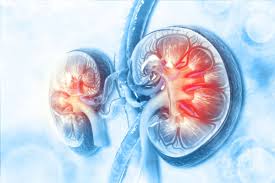
According to the Mayo Clinic, a top-ranked, nonprofit American academic medical centre focused on integrated healthcare, education, and research, kidney cancer “may not have symptoms at first,” which is one reason many cases are discovered only after the disease has advanced or spread to other organs.
Factcheck: Can healthy-looking people have kidney cancer?
Yes.
One of the strongest misconceptions exposed by the actor’s death is the belief that cancer only affects elderly or visibly sick people. Medical evidence shows this is false.
While kidney cancer is more common among older adults, younger and physically active people can also develop the disease. Doctors say outward appearance is often a poor measure of internal health, particularly in cancers that develop silently over time.
Many patients with kidney cancer may appear physically fit, active, and healthy even as the disease advances internally without obvious symptoms.
“You cannot determine who has cancer simply by looking at them,” said Dr. Ebi added. “Several cancers, including kidney cancer, can progress quietly for months or years before noticeable signs appear. That is why routine medical checks and early investigations are extremely important.”
He added that cancer does not always announce itself through visible weakness or physical deterioration. “Some of the healthiest-looking people may already have advanced disease developing silently inside the body,” he noted.
This reality partly explains why many kidney cancer cases are only diagnosed after the disease has already spread beyond the kidneys.
Symptoms often dismissed as minor
Various findings show many kidney cancer symptoms are commonly ignored or mistaken for less serious health problems. Some warning signs include blood in urine, persistent lower back pain, unexplained weight loss, recurring fever, fatigue, abdominal swelling, and loss of appetite.
According to the Cleveland Clinic, many kidney cancer cases are discovered unexpectedly during medical scans conducted for entirely different health complaints, underscoring how silently the disease can develop before symptoms become noticeable.
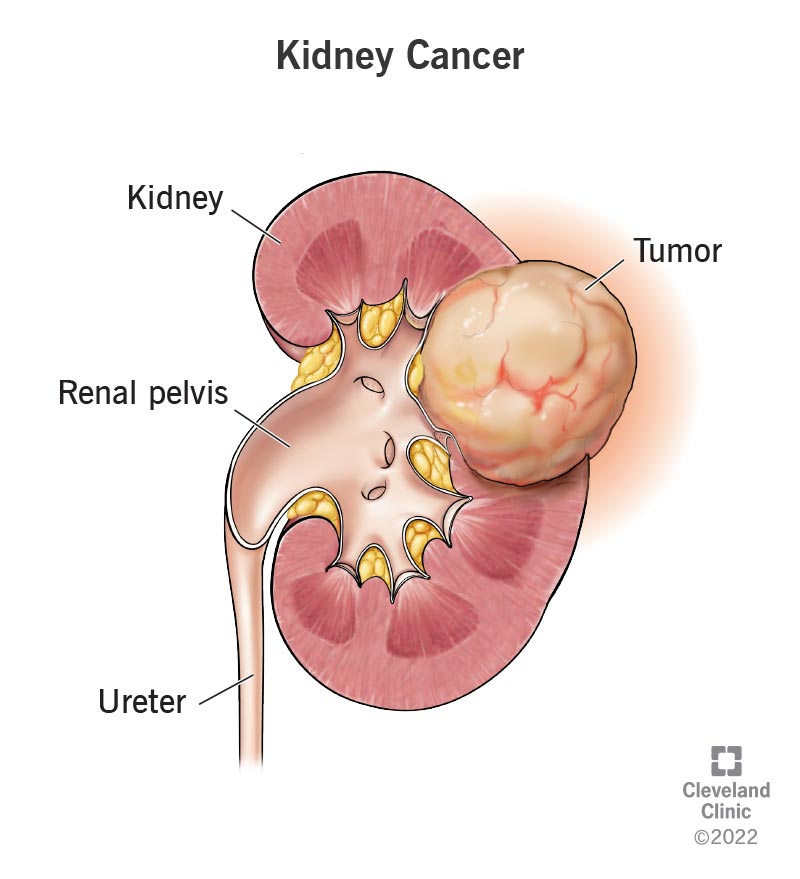
Meanwhile, in many communities, symptoms such as blood in urine are sometimes treated as infections, spiritual attacks, or temporary illnesses rather than possible signs of cancer. The World Health Organization warns that low and middle-income countries now account for a growing share of global cancer deaths because patients are frequently diagnosed too late.
Medical researchers say several factors can increase the likelihood of kidney cancer. These include smoking, obesity, high blood pressure, prolonged dialysis treatment, family history of kidney disease, and exposure to harmful industrial chemicals.
Beyond celebrity headlines
Celebrity deaths often expose diseases that receive little public attention until tragedy strikes.
For many Nigerians, Alexx Ekubo’s death has become more than entertainment news. It is a warning about a dangerous illness that often hides in plain sight, spreading quietly behind normal routines, public appearances, and seemingly healthy lifestyles.
The larger message from doctors is that persistent changes in the body should never be ignored, especially in a country where late diagnosis continues to determine who survives and who does not.

