


The West African Examinations Council (WAEC), Nigeria, says only 69 out of 2,267 candidates whose 2026 West African Senior School Certificate Examination (WASSCE) results were reviewed had their grades adjusted.
The figure represents 3.0 per cent of the candidates whose scripts were subjected to a comprehensive review following requests from some schools and the Minister of Education.
WAEC said the review, which covered scripts from 47 schools, confirmed the credibility and reliability of the 2026 WASSCE results.
The Council made the disclosure in a statement issued amid recent controversies surrounding the 2026 WASSCE results.
According to a statement, the adjustments involving the 69 candidates were caused by “the natural subjectivity inherent in essay scoring” and were not the result of technical glitches or systemic errors.
The development comes against the backdrop of concerns raised by some schools, parents and other stakeholders over what they described as unexpectedly poor performances in the 2026 WASSCE.
Recall that the Head of the Nigerian Office of WAEC, Amos Dangut, on 3 September, during a monthly dialogue organised by the Education Writers Association of Nigeria (EWAN), themed “One-on-One with WAEC HNO: Addressing Concerns over WASSCE Results, Other Matters,” asked schools dissatisfied with their candidates’ results to formally request a review, assuring them that their concerns would be examined through the Council’s established process.
Four schools found culpable of malpractice
The statement also disclosed that four of the schools covered by the review were found to have perpetrated examination malpractice.
The Council said the cases had been addressed in accordance with its examination security regulations.
It added that the discovery demonstrated its vigilance in protecting the integrity of the examination process while ensuring fairness to candidates who sat for the examination.
WAEC rejects claims of result compromise
WAEC dismissed recent allegations questioning the integrity of the 2026 WASSCE results, describing them as baseless.
The Council attributed the claims to a “disgruntled staff member” who it said was currently facing disciplinary action.
The head of the examinations department in Anambra State’s office of WAEC, Olanrewaju Fadehan, had recently questioned the integrity of the 2026 WASSCE results and accused the examination body’s management of compromising the process. Days after raising the allegations, he was invited by the by the Nigeria Police authorities.
The examination body said the allegations had created unnecessary anxiety among candidates, parents and schools, but insisted that the integrity of the 2026 results remained intact.
“WAEC Nigeria wishes to reaffirm the credibility and reliability of the 2026 WASSCE results,” the Council said.
No examination leakage, WAEC insists
WAEC also said there was no incident of examination leakage during the 2026 WASSCE in Nigeria.
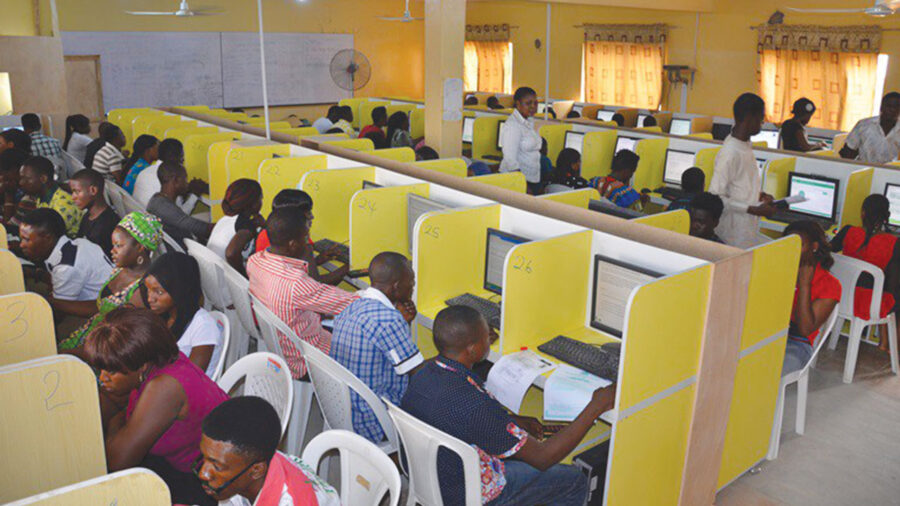
It said both the computer-based and pen-and-paper modes of the examination were successfully implemented without glitches.
The Council added that marking and grading were conducted using internationally recognised procedures, with multiple layers of verification intended to ensure fairness and accuracy.
It therefore rejected allegations of mismanagement or compromised examination processes.
Vocational subjects record improved performance
WAEC said performance trends in the 2026 examination were broadly similar to, and in many cases better than, those recorded the previous year.
According to the Council, technical and vocational subjects recorded notable improvements, with more candidates achieving credit and distinction passes.
It cited Catering Craft, Beauty & Cosmetology and Solar PV Installation among subjects that recorded remarkable improvements.
WAEC said marginal declines recorded in some core subjects remained within general historical patterns and did not undermine the credibility of the results.
Clarification channels
The Council said candidates, schools and other stakeholders seeking clarification on results have access to communication channels through which their concerns can be addressed.
It said the avenues were available to protect every candidate’s right to fair grading.
WAEC urged stakeholders to disregard what it described as misleading claims and rely on its official communication channels for accurate information.
“Behind every grade lies the future of a child,” the Council said, stressing its commitment to credible, fair and transparent assessment.

