




Lagos State has launched a household used cooking oil collection initiative designed to unlock a $20 million biofuel market, reduce public health risks and curb environmental pollution, as part of efforts to position the state within the global biofuel supply chain.
The initiative, rolled out through collection kiosks across Lagos State Environmental Protection Agency (LASEPA) zonal offices, is a collaboration with Ororo Waste Management and Shell Foundation.
The launch, held on Thursday at the LASEPA headquarters, brought together environmental regulators, development partners, youth groups, students and waste sector stakeholders, highlighting a shift toward household-level climate action and circular waste management in Africa’s largest city.
Climate action through waste recovery
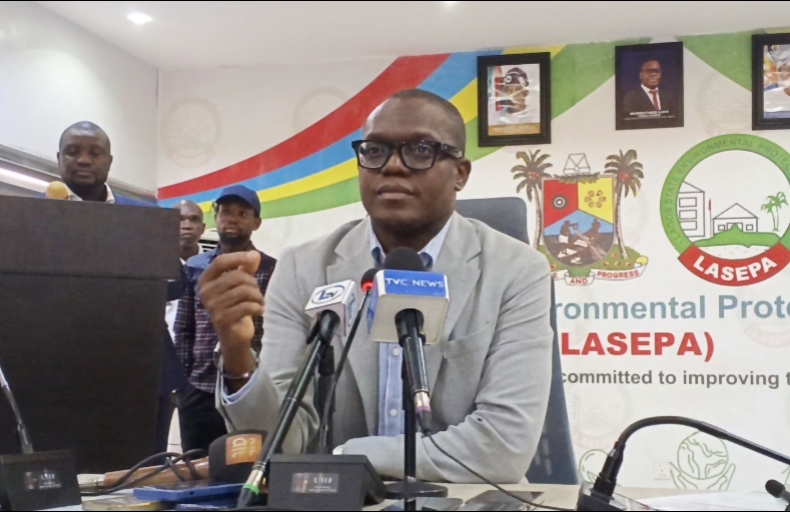
The General Manager of LASEPA, Babatunde Ajayi, said the initiative was designed to unlock a minimum $20 million market in Lagos by harnessing used cooking oil as a feedstock for biofuel production.
He explained that Lagos, by virtue of its population and oil-based cooking habits, contributes a significant share of Nigeria’s used cooking oil volume, placing the state at the centre of a global opportunity for climate-aligned energy transition.
Mr Ajayi noted that aviation fuel and other energy sources are increasingly required to meet international climate standards, making used cooking oil a strategic resource in reducing carbon emissions and supporting global climate action.
“This is about putting Lagos on the global map by feeding into the biofuel supply chain, while being deliberate about our climate responsibilities,” he said.
Structured waste management at household level
The initiative establishes collection kiosks at all LASEPA zonal offices and selected institutions, where households can safely drop-off used cooking oil.
According to the Managing Director and Project Lead of Ororo Waste Management, Ayo Banjo, the collection process includes oil drop-off, measurement and quality checks, rewards and traceability measures to ensure safety and compliance.

He said the programme builds on earlier pilot efforts but now introduces a more structured system that integrates households directly into waste recovery and biofuel production.
“Households account for between 50 and 60 per cent of waste generation. Bringing them into the system is key to building a circular economy,” Mr Banjo said
Health risks of used cooking oil
Beyond climate concerns, speakers at the event stressed the public health dangers associated with reheating and improper disposal of cooking oil.
Mr Banjo, emphasised the health risks associated with reusing cooking oil more than twice, warning that it can cause cancer.
According to him, “using cooking oil more than twice has proven to be carcinogenic, otherwise known as causing cancer.”
Additionally, Mr Ajayi warned that reheating oil more than once alters its chemical structure, increasing health risks for consumers, while dumping oil into drains contributes to flooding, pollution and the spread of water-borne diseases.
He said used cooking oil often combines with plastic waste and styrofoam to block drainage systems, worsening flooding during the rainy season and increasing exposure to diseases such as cholera.
“Preventing oil from entering our drains is not just environmental protection. It is disease prevention and protection of lives,” he said.
Waste to wealth, livelihood
A central feature of the initiative is its income-generation potential for households, food vendors and small businesses.
Residents queued at the used cooking oil collection kiosk to drop-off their used cooking oil after learning of the initiative.
Participants who turn in used cooking oil earn rewards, opening opportunities for micro-entrepreneurship and extra income, especially in times of economic pressure.
A resident, James Emmanuel, told DevReporting that he just wanted to try his luck after learning of the initiative and brought a 1.5 kilogram of used cooking oil and got N1,000.
According to him, the initiative is a laudable one and he is willing to put more energy into collecting the used oil for drop off.
Mr Banjo said the programme goes beyond environmental protection to improving livelihoods and dignified living, especially for youths and informal sector workers.
“This is about creating an ecosystem where people earn, save and improve their quality of life while protecting the environment,” he said.
Students as environmental stakeholders
Youths, student bodies and waste associations are being engaged as information disseminators and participants in the collection chain.
Student representatives also highlighted the importance of the initiative for campus health and environmental sustainability.
The President of the Lagos State University (LASU) Students Union, Adebayo Peter, said the installation of collection kiosks would help protect ecosystems, support student health and reduce the risks associated with reused cooking oil in student communities.

He noted that students, who often operate on limited budgets, are particularly vulnerable to the health impacts of poor cooking practices. “Protecting the ecosystem also means protecting students’ health,” he said.
Building environmental resilience through collaboration
The Coordinator for Waste Pickers Association of Nigeria (WAPAN), Franklin Adebisi pledged support for the initiative with responsible waste collection.

He cautioned the public to desist from polluting the environment through indiscriminate waste disposal, warning that illegal disposal of used cooking oil pollutes the environment and along the line the climate is affected .
“Sometimes when rain falls, you see people bringing out their used oils, pouring them on the drainage, and believe it or not, it pollutes the environment and also creates some stench.
“Ororo Waste Management, LASEPA and the WAPAN are collaborating to ensure that we collect responsibly and sustainably too so that we can have a better and cleaner society,” he said.
Additionally, LASEPA officials said the initiative reflects a broader strategy to transform waste into economic value while strengthening environmental compliance and resilience in Lagos.
The Director of Air Quality Management at LASEPA, Ayodele Oso, said the initiative aligns with Lagos State’s green agenda by addressing waste recycling, emissions control and public health protection.
She noted that improper disposal of used cooking oil contributes to open burning and air pollution, adding to respiratory and environmental health risks. “This initiative supports cleaner communities, reduces emissions and improves quality of life for Lagos residents,” she said.
Speaking on behalf of the 20 directorates, the Director, LASEPA Zonal Directorates, Abiodun Ogunleye, noted that the inclusion of the zonal offices is necessitated for its closeness to the grassroot.
The directorates and agencies pledged full support to the initiative to ensure that optimal goals are achieved.