



Artificial intelligence (AI) and a wave of new medical innovations are beginning to transform the global fight against tuberculosis, offering new possibilities for faster diagnosis, wider access to testing, and improved treatment outcomes.
As countries commemorate this year’s World Tuberculosis Day on 24 March, themed “Yes! We can end TB!,” the renewed push comes amid continued concern over the disease’s global burden.
According to the World Health Organisation (WHO), tuberculosis killed 1.23 million people and infected 10.7 million in 2024. Since 2000, global efforts have saved more than 83 million lives. Yet behind these figures lie disrupted families, lost jobs and futures cut short, underscoring the human cost of the disease.
WHO data further shows that tuberculosis remains the most deadly infectious disease, killing more than 3,300 people every day and infecting nearly 30,000 new people daily.
At the heart of this year’s commemoration is a five-point call to action from WHO, urging countries to invest in TB care, accelerate innovation, expand people-centred services, address structural drivers, and protect the gains already achieved over the years.
Encouragingly, new developments in artificial intelligence, molecular diagnostics and vaccine research are beginning to transform how the disease is detected and managed. These innovations are improving the speed of diagnosis, widening access to testing and strengthening the global outlook for eventual elimination of tuberculosis.
Caught between poverty, stigma and limited access to care
Despite these advances, tuberculosis continues to reflect deep health inequalities across the world. The disease spreads through the air when infected individuals cough or sneeze, often thriving in crowded homes, poorly ventilated environments and communities with limited access to healthcare.
About one in four people globally carries the tuberculosis bacteria in a dormant form, with millions developing active disease each year. Those most at risk include people living with HIV, children, and individuals facing malnutrition or poverty.
Although effective treatment exists, only a small proportion of those infected are diagnosed and placed on care, leaving millions undetected. Health experts warn that stigma, delayed testing and weak health systems continue to worsen outcomes, particularly in low and middle-income countries where the burden is highest.
Nigeria’s heavy burden
In Nigeria, the challenge remains particularly severe, ranking first in Africa and sixth globally, and also accounting for about 4.6 per cent of the global tuberculosis burden.
Data from the Knowledge Network for Disease Control and Vigilance (KNCV) Nigeria indicates that an estimated 467,000 people are living with active tuberculosis in the country, yet more than half of these cases remain undetected.
The human toll is stark, with about 15 Nigerians dying every hour from tuberculosis, translating to over 125,000 deaths annually.
The situation is further complicated by drug-resistant tuberculosis and HIV-associated tuberculosis, while diagnostic gaps persist due to limited laboratory capacity in many health facilities.
Children remain particularly vulnerable, yet detection among them is still low. At the same time, limited funding continues to constrain national response efforts, creating gaps between available resources and programme needs.
WHO pushes five-point action plan
To address these challenges, WHO is urging countries to treat investment in tuberculosis care as an economic priority, noting that stronger health systems ultimately protect productivity, strengthen communities and reduce long-term costs.
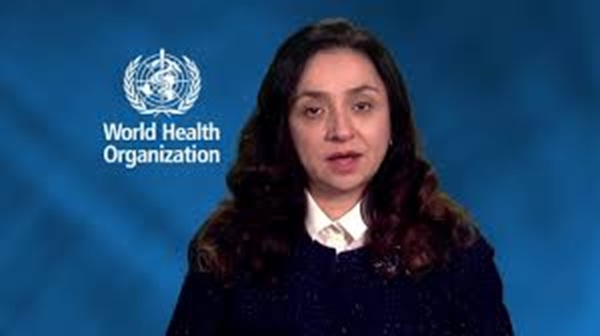
The Director of the WHO Department for HIV, TB, Hepatitis & STIs, Teresa Kasaeva, called for faster adoption of new technologies, including rapid diagnostic tools designed to bring testing closer to communities.
Recent recommendations such as simplified molecular tests and improved sampling methods are expected to make diagnosis more accessible and efficient.
Alongside innovation, she emphasised the importance of expanding people-centred care. Tuberculosis services, she noted, must be affordable, stigma-free and integrated into primary healthcare systems, with communities actively involved in shaping responses.
“First, invest in tuberculosis care as a smarter economic decision. Financing tuberculosis programmes is not just a cost, it is an investment in a healthier population, stronger economies and more resilient societies. With sustained political will and committed financing, countries can protect their workforce, support families and turn the tide against tuberculosis,” she said.
“Second, accelerate innovations to reach people faster. Scientific breakthroughs only save lives when they reach the communities that need them most. Today, new diagnostic tools offer unprecedented opportunities to close long-standing gaps in tuberculosis detection.”
“Third, scale up people-centred TB care. Tuberculosis services must be accessible, affordable, stigma-free and integrated within primary health care. Engaging civil society and people affected ensures that policies and programmes truly respond to people’s needs and realities.”
She further stressed the need to address underlying social and economic drivers of the disease.
“Fourth, strengthen multi-sectoral action to tackle the root causes. Tuberculosis is deeply linked to poverty, inequality, undernutrition and weak health systems. The poorest and most vulnerable communities continue to bear the greatest burden. Ending tuberculosis requires coordinated action across sectors such as health, social protection, housing, labour and education, supported by strong accountability and sustained political commitment.
“Fifth, protect the progress we have already achieved. Global crises, economic pressures and competing priorities must not derail the gains made in the fight against tuberculosis. Countries must safeguard essential services, prevent disruptions in diagnosis and treatment, and ensure that no one is left behind.”
Innovation, AI reshape response
In recent years, emerging technologies have begun to transform tuberculosis detection and treatment across the world. AI-powered digital x-ray tools are enabling faster and more accurate screening in resource-limited settings, reducing reliance on scarce specialists while expanding access to underserved communities.
Forbes reported that combined with advances in molecular diagnostics and portable testing devices, these tools are helping to identify millions of undiagnosed cases and initiate treatment earlier.
According to the report, handheld digital x-ray devices use AI to stabilise the image, adding that AI analysis of x-ray results enable high-volume, high-quality screening for tuberculosis cases in the poorest, most difficult contexts where doctors are in short supply and radiologists nonexistent.
Experts say such innovations could significantly reduce transmission, prevent deaths and improve outcomes if scaled effectively.
“Those most at risk are the poorest and most marginalised communities and they are the ones who must be reached. That’s why a country like Indonesia, which has one of the world’s largest tuberculosis burdens, has totally redesigned its approach to the disease.
“Indonesia is at the forefront of rolling out innovative screening and diagnosis at a community level. Treatment initiation has been shifted from distant hospitals to more than 460 primary health centres, known as local “puskesmas.”
In many affected countries, private sector clinics and pharmacies also play a key role as first points of contact for the most vulnerable communities. “Devising workable public-private partnerships against tuberculosis is perhaps just as important an innovation as the drugs and devices themselves.”
However, stakeholders caution that technology alone is not enough. Ensuring equitable access, particularly for vulnerable populations, remains essential. Public-private partnerships and community-based approaches are therefore increasingly seen as key to bridging existing gaps.
Call for collective action in tuberculosis response
In her goodwill message, WHO Goodwill Ambassador for Tuberculosis and HIV/AIDS, Peng Liyuan, called for global solidarity, highlighting the role of volunteers, communities and young people in sustaining awareness and response efforts.
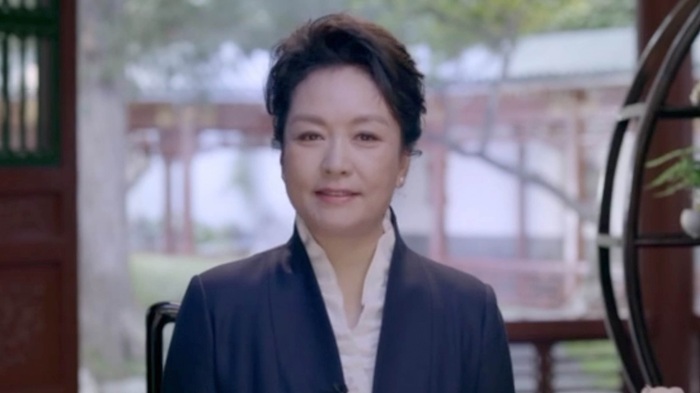
She noted that collective action has already driven progress in several countries, demonstrating that ending tuberculosis is achievable.
WHO also paid tribute to frontline health workers and affected communities for their resilience and continued contributions in the fight against the disease.
“This year has been designated by the U.N. General Assembly as the International Year of Volunteers for Sustainable Development. It also marks the 15th year of China’s large-scale volunteer campaign to raise awareness for tuberculosis prevention and control… over the past 15 years, more than one million volunteers have participated in this campaign,” Ms Liyuan’s message read in part.
She added that young students are increasingly becoming central to volunteer efforts, extending awareness beyond campuses into homes and communities, where their influence helps sustain public health progress.
“Eliminating tuberculosis and safeguarding health is our shared pursuit and aspiration… Let us work for progress in response to the benefit of all humanity, and join hands to build a community of health for all.”
Lagos intensifies push to close tuberculosis detection gap
Lagos State has renewed its push against tuberculosis with a strong call for collective action, as stakeholders gathered to mark the 2026 World Tuberculosis Day with an awareness walk and high-level symposium in Ikeja.
The event brought together policymakers, health experts, development partners and community advocates to reinforce the message that ending tuberculosis requires sustained commitment at all levels.
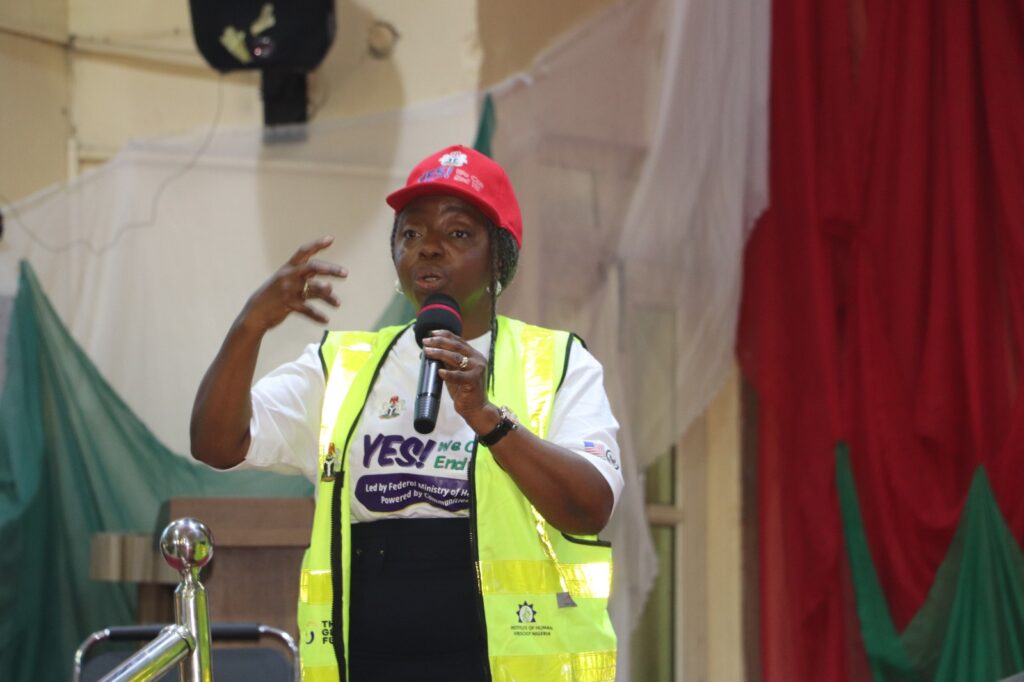
Leading the charge, the First Lady of Lagos State, Claudiana Sanwo-Olu, emphasised that tuberculosis remains both preventable and curable, but continues to thrive due to gaps in awareness and detection. She called for more innovative and community-driven approaches, urging grassroots health workers to act as “foot soldiers” in reaching underserved populations with accurate information and support.
She also raised concerns over the state’s detection gap, revealing that out of an estimated 30,000 tuberculosis cases, only about 16,000 have been identified. This, she warned, leaves thousands of undiagnosed individuals within communities, increasing the risk of continued transmission and making early detection a critical priority.
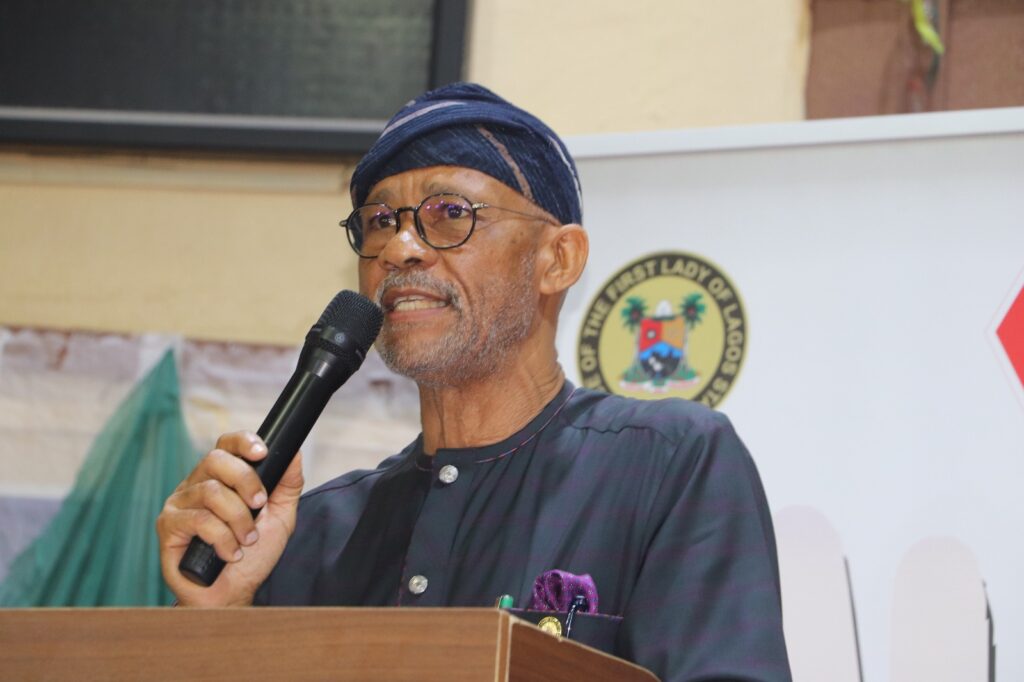
He noted that while about 24,000 cases are recorded annually, a significant number remain undiagnosed, stressing the need for prompt testing, treatment adherence and an end to stigma that discourages people from seeking care.
Stakeholders at the event also highlighted the importance of sustainable financing, stronger community engagement and the use of innovative tools to expand access to care. While progress has been made in improving diagnosis and treatment, they agreed that closing existing gaps will require stronger partnerships, increased investment and a more people-centred approach to truly end tuberculosis in the state.