



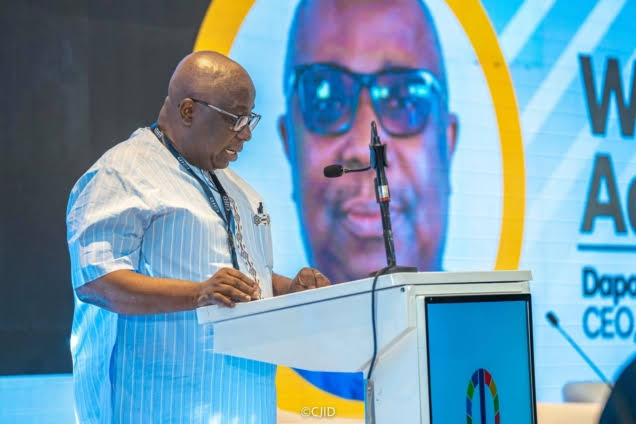
The Chief Executive Officer of the Centre for Journalism Innovation and Development (CJID), Dapo Olorunyomi, has warned that Africa risks surrendering its intellectual resources, journalism and cultural knowledge to global technology companies that increasingly control the continent’s digital information ecosystem.
Mr Olorunyomi gave the warning at the opening of the fourth edition of the CJID Media and Development Conference 2026, themed ‘Media, Technology and the Future of Democratic Societies’, in Abuja.
He argued that while African societies continue to supply content, data and cultural knowledge to global digital platforms and artificial intelligence systems, the infrastructure and economic benefits of these technologies remain largely controlled elsewhere.
Describing the situation as an extraction of knowledge rather than innovation, Mr Olorunyomi said African journalism was increasingly being absorbed into digital platforms and AI systems without meaningful consent, licensing or attribution.
“This is not innovation. This is what we must call by its true name, this is extraction of knowledge,” he said.
He questioned who controls the architecture of Africa’s digital public sphere and whose interests it serves, warning that citizens must not become passive consumers of systems they neither understand nor control.
According to him, the information economy is increasingly working against the public interest, with dominant internet business models rewarding engagement over accuracy, reach over verification and attention over responsible journalism.
He said the situation had worsened the economic difficulties facing independent newsrooms, resulting in declining advertising revenues, shrinking editorial budgets, the loss of experienced journalists and increasingly precarious conditions for public interest reporting.
“Our newsroom did not design this architecture, yet we must continue to build it,” he said.
Technology companies must account for their power
While acknowledging the opportunities technology offers journalism, the CJID chief executive cautioned against concentrating technological power in the hands of a few global companies without transparency, democratic oversight and fair arrangements for sharing the value generated from African content. “Technology is not the enemy. The enemy is unaccompanied power,” he said.
He noted that digital tools had helped journalists expose patterns of public expenditure, investigate human rights abuses, reach underserved communities and strengthen collaborative fact-checking initiatives.
However, he argued that the growing influence of technology companies over content moderation, recommendation systems and platform policies had made them powerful actors in determining political visibility and the economic survival of media organisations.
He called for greater transparency in how platforms rank and amplify information, particularly during elections, as well as fair compensation for publishers whose journalism generates value for digital platforms and AI models.
Mr Olorunyomi also stressed the need for meaningful investment in local-language content moderation, noting that African languages, including Hausa, Igbo and Yoruba, should not remain afterthoughts in technological systems increasingly shaping public discourse.
Concern over threatened media archives
The CJID chief executive also called for urgent investment in preserving Africa’s media archives, describing them as critical democratic infrastructure rather than obsolete institutional materials.
He warned that the deterioration and neglect of newspaper collections, broadcast recordings, oral histories and documentary records across West Africa threatened the region’s collective memory and weakened its ability to hold institutions accountable.
“A society that cannot preserve its history is vulnerable to manipulation,” he said.
According to him, the loss of institutional memory creates room for misinformation and makes it difficult for future generations to understand the decisions, struggles and failures that have shaped their societies.
He called on governments to treat the preservation of public records as a strategic national priority, while urging universities, media organisations and development partners to invest in sustainable archival preservation.
He maintained that digitisation alone would not solve the problem without clear legal frameworks governing ownership, access, copyright and licensing, alongside long-term financing and partnerships among universities, libraries, newsrooms and public institutions.
“Our archives are not simply records of the past, they are the instruments that are needed in the present and resources for the future,” he said.
AI must strengthen journalism, not replace it
On artificial intelligence (AI), Mr Olorunyomi acknowledged its potential to improve journalism through transcription, translation, analysis of public records and other newsroom processes that previously required significant financial and human resources.
However, he warned that AI could reproduce historical biases and flood information spaces with synthetic texts, audio, images and videos at a speed that overwhelms verification capacity.
He said African languages, particularly those poorly represented in the datasets used to train AI systems, risked being further marginalised.
He urged newsrooms to develop clear editorial policies governing AI use and ensure that machine-generated materials undergo rigorous verification. “Technology must serve journalism, not the other way around,” he said.
Mr Olorunyomi called for stronger media institutions with credible editorial policies, sound governance and sustainable revenue models, warning that individual journalists’ courage and sacrifice could not replace the need for institutions capable of withstanding political pressure and commercial influence.
He urged media development organisations to move beyond a model in which newsrooms depend perpetually on short-term projects and external funding without credible strategies for institutional survival.
Concluding his remarks, Mr Olorunyomi called for concrete commitments, meaningful partnerships and sustained collective action to build an information ecosystem where technology expands opportunities and journalism is recognised as democratic infrastructure rather than merely another commercial product.
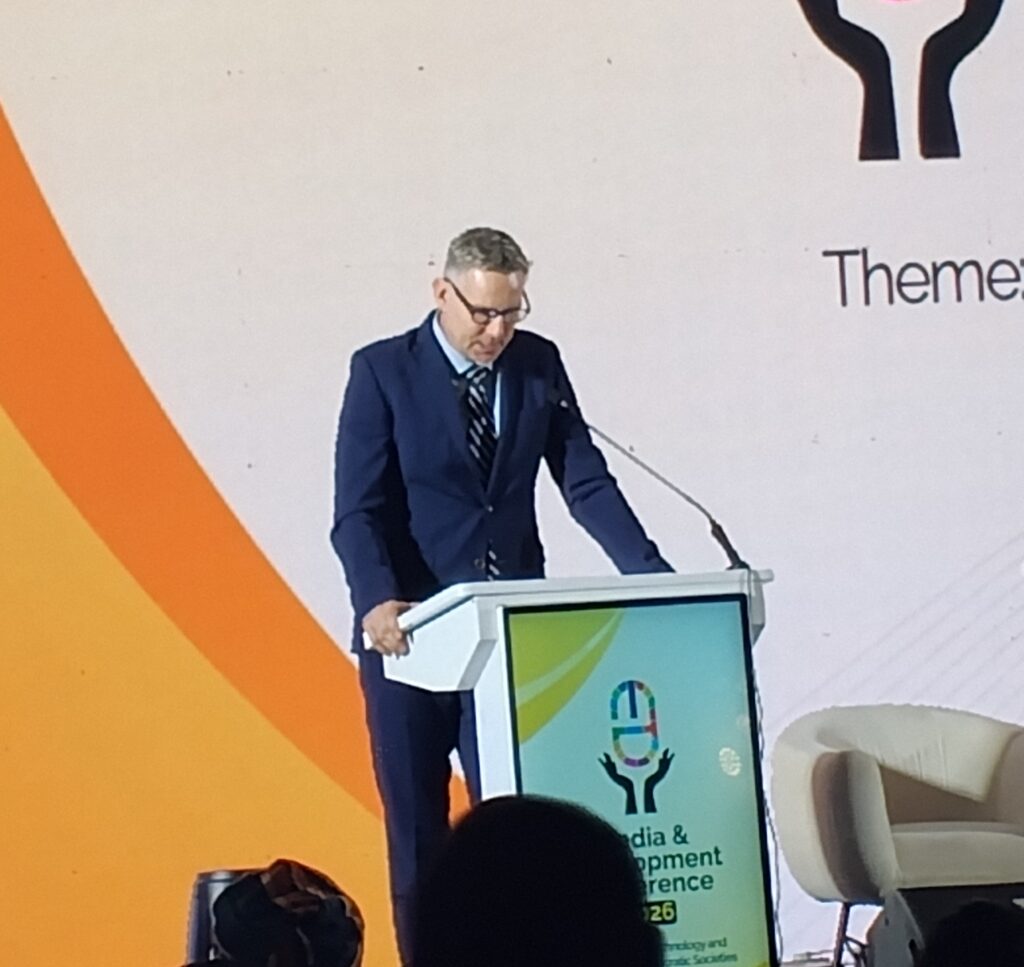
Netherlands envoy calls for responsible use of AI
Delivering a goodwill message, the Deputy Ambassador of the Netherlands to Nigeria, Ronald Sonnemans, acknowledged concerns about the rapid production and spread of fake images, cloned voices and fabricated stories but maintained that the technology also offered opportunities for improving journalism.
He said AI could help smaller newsrooms analyse thousands of documents within hours, support faster fact-checking, translate stories into local languages and provide young journalists with tools previously available mainly to larger media organisations.
However, he stressed that technology must be used responsibly, with particular attention to ethics, transparency and accountability. “Technology does not decide what kind of future we get. People should do that,” he said.
Mr Sonnemans reaffirmed the Netherlands’ commitment to strengthening freedom of expression and supporting independent journalism, noting that the country had worked with partners, including CJID, to support journalist training, create platforms for dialogue and back innovative tools and research.
He also emphasised the importance of collaboration among researchers, civil society organisations, newsrooms and technology companies in addressing the challenges confronting journalism and democratic institutions.
MacArthur Foundation urges citizens to uptake facts, protect journalists
In his goodwill message, the Director of the MacArthur Foundation, Kole Shettima, said the responsibility of strengthening journalism and democratic governance should not rest solely on journalists, but also on citizens who must engage with information and use it to hold governments accountable.
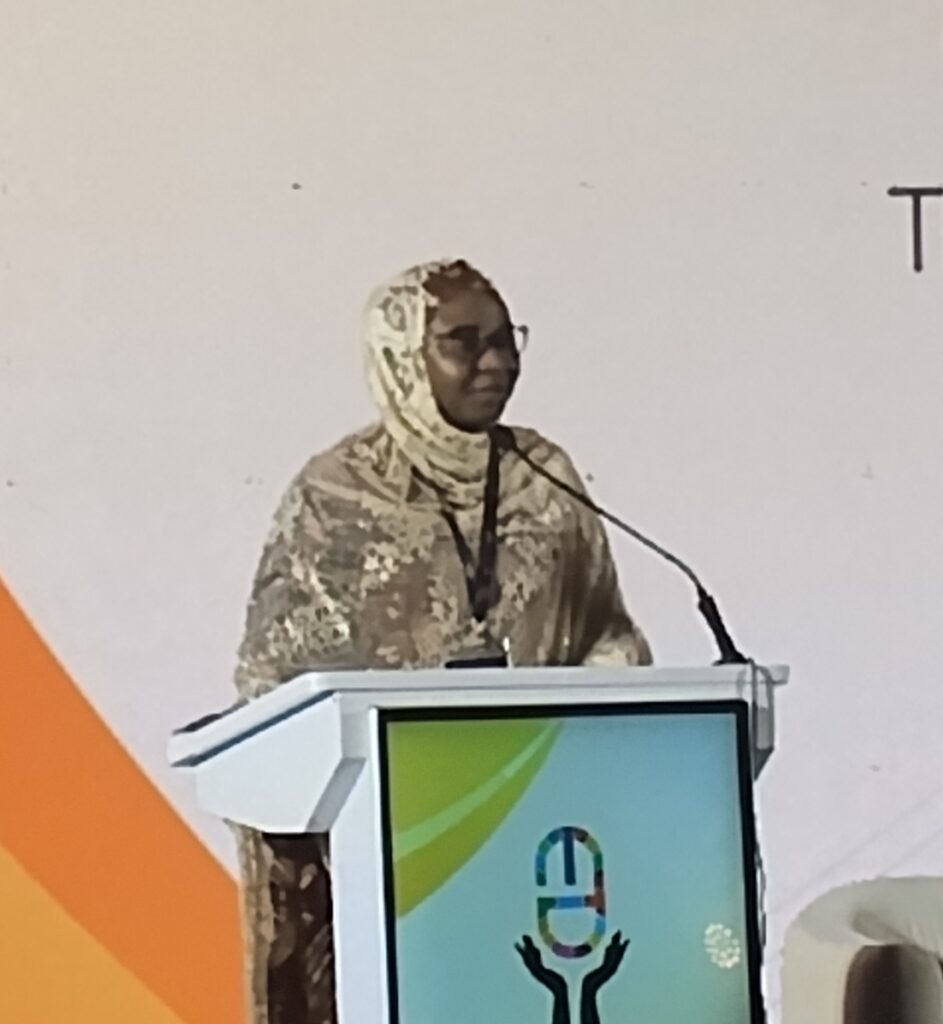
Represented by the Foundation’s Deputy Director, Amina Salihu, he said, “It is not just the duty of journalism to put out the facts. Citizens also need to uptake the facts and work with it and engage the states.” She also stressed the importance of protecting journalists and other truth-seekers, providing them with the necessary tools, skills and opportunities to perform their duties effectively.
He identified the independence of editorial decisions, alongside flexibility and agility, as important considerations in development partners’ support for the media; adding that technology was neither good nor bad, but depended on how people used it. Mr Shettima urged citizens to consider their responsibilities in ensuring its ethical application and use in the public interest.
He also called for greater awareness and engagement with policies shaping the country’s technological future, particularly Nigeria’s National Artificial Intelligence Strategy. He urged media organisations to create spaces within and outside the media ecosystem for discussions on such policies and their implications.
On the future of young Africans, Mr Shettima said technology could only become an opportunity if it reached everyone who needed access, warning that unequal access would continue to reinforce existing divisions and exclusion.
He called for a stronger network of Africans working towards shaping the continent’s place in the global technology agenda, rather than allowing Africa to remain merely a source of data for others, while ensuring that young people were empowered to lead the process.

