


By Sodiq Mojibola and Amarachukwu Callistus
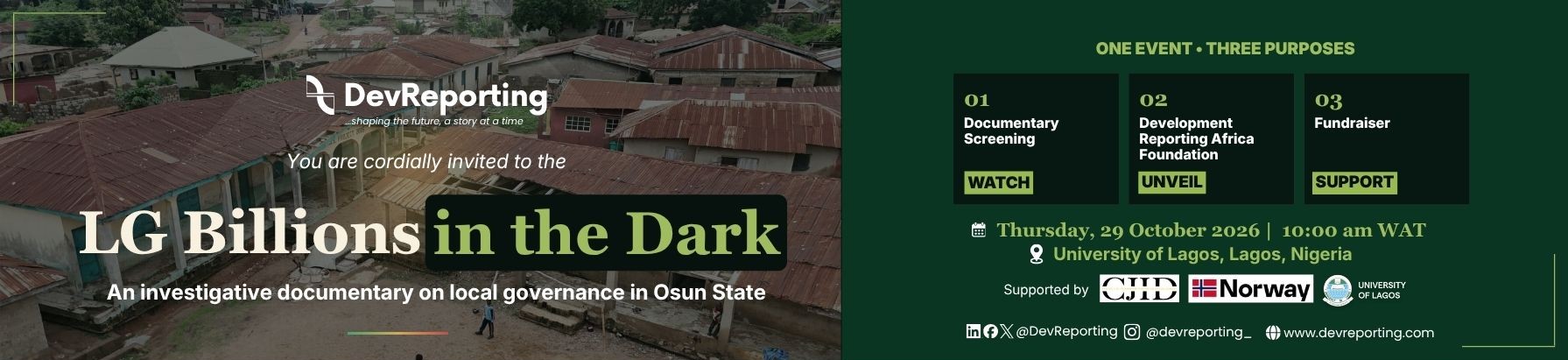
DevReporting, on 24 November, screened its investigative documentary, “LG Billions in the Dark”, at the 2026 Media and Development Conference (MDC 2026) in Abuja, as media experts, government officials and civil society stakeholders called for stronger accountability, transparency and citizen participation in governance.
The documentary, which examines the local government leadership crisis in Osun State and its implications for council finances and grassroots development, was screened during the three-day conference organised by the Centre for Journalism Innovation and Development (CJID).
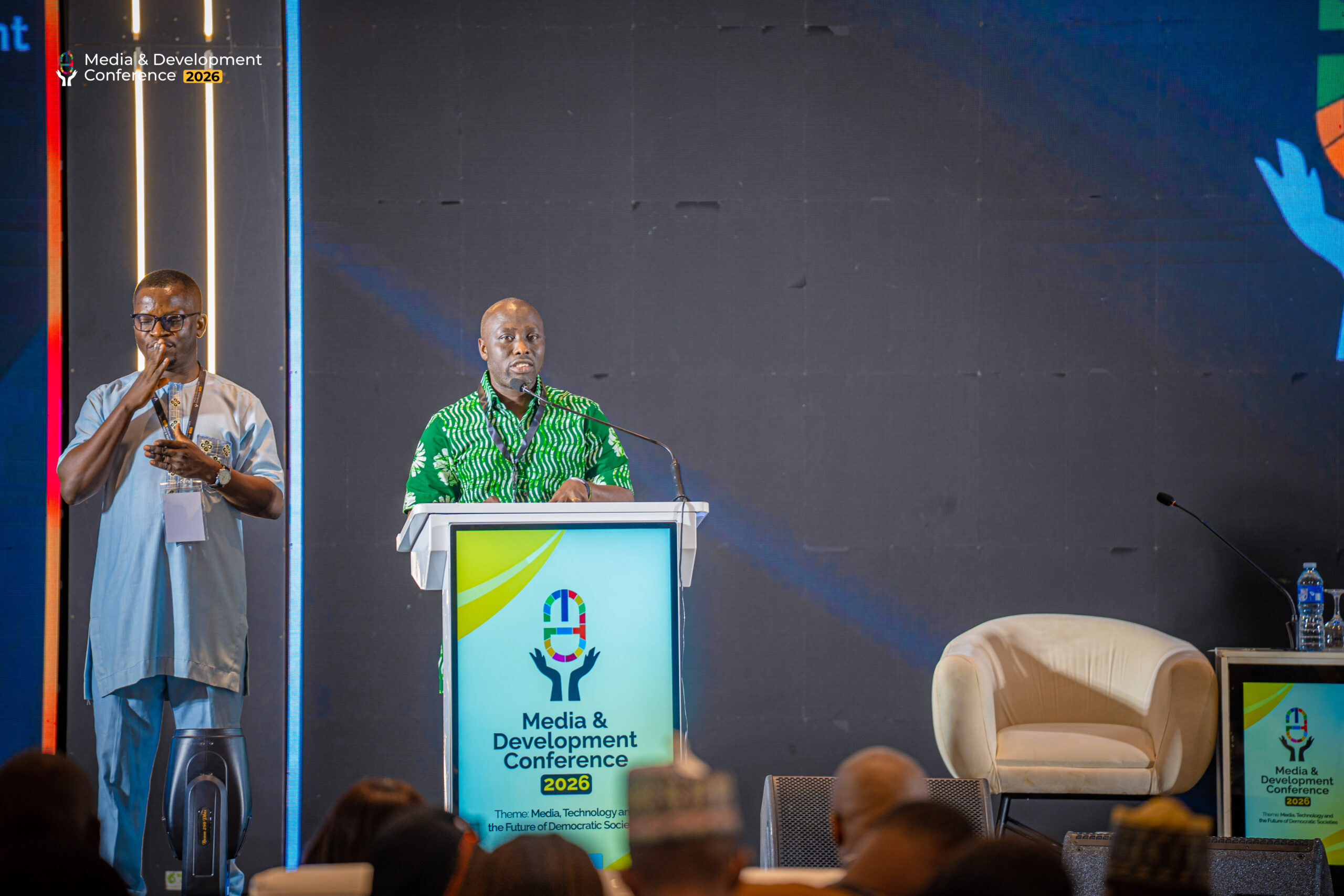
Speaking after the screening, DevReporting Team Lead, Mojeed Alabi, mentioned a new initiative of the organisation, “NextGen for Open Local Government”, aimed at strengthening citizens’ participation in local government administration and promoting accountability in the management of public resources.
Mr Alabi said the initiative would equip a new generation of informed citizens with the knowledge and capacity to engage local government administrators, ask relevant questions and demand accountability for public funds.
He called on media organisations, communication experts and other stakeholders to support the initiative through partnerships and collaboration.
The documentary, earlier screened at the University of Lagos in October shows concerns surrounding local government administration, financial transparency, political interference and the management of council allocations in Osun State, bringing attention to the relationship between public resources and development at the grassroots.
Stakeholders demand stronger oversight of public spending
The documentary screening came before broader discussions at the conference on the need to strengthen public accountability and ensure that government spending translates into tangible improvements in citizens’ lives.
At a plenary session themed “Who Pays for Reform: Fiscal Transparency, Public Spending, and the Cost to Citizens”, media and governance experts called for stronger collaboration among government institutions, the media and citizens to improve transparency in public expenditure.
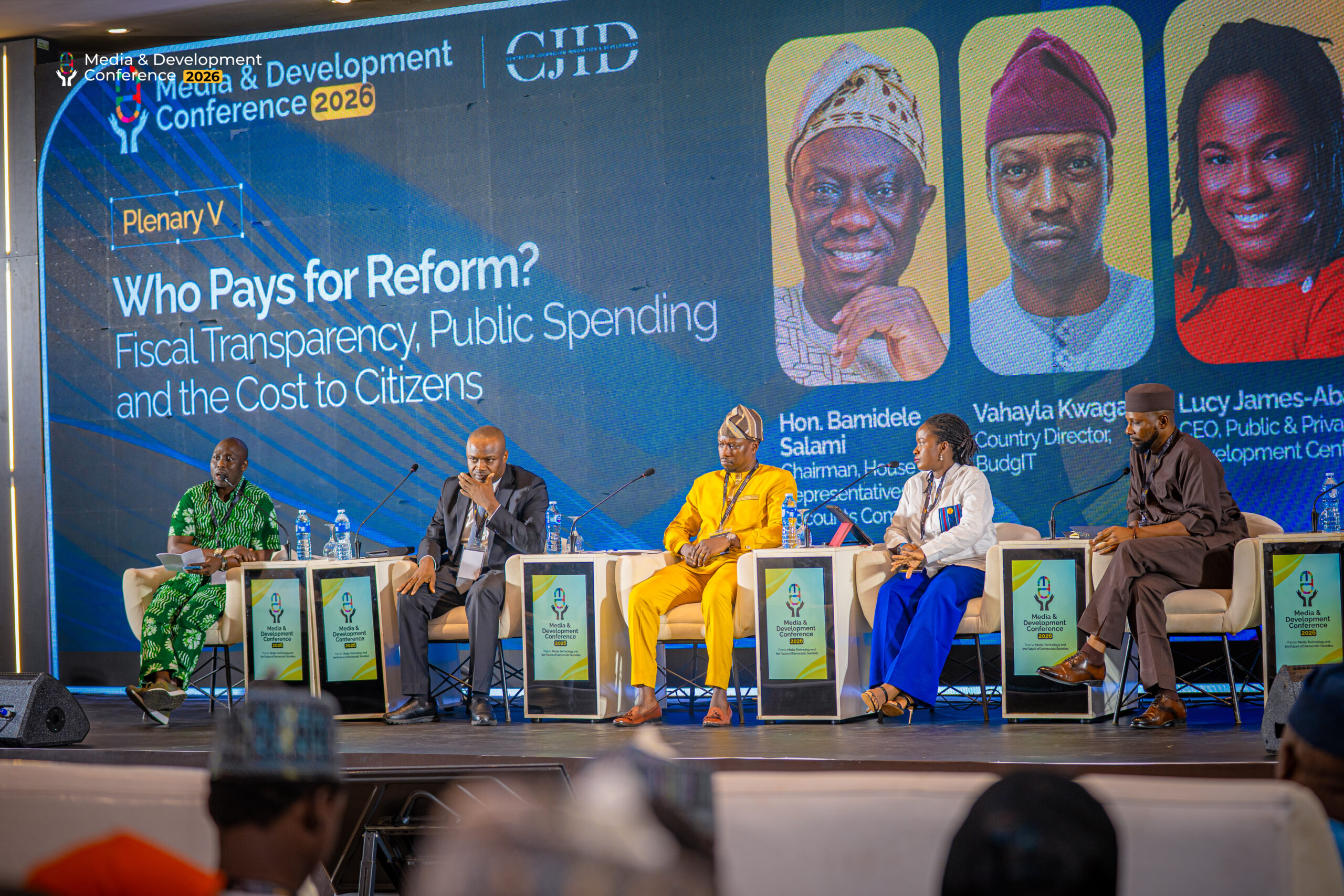
The session was moderated by Mr Alabi and featured Bamidele Salam, Chairman of the House of Representatives Committee on Public Accounts; Vahyala Kwaga, Country Director of BudgIT; Lucy James-Abagi, Chief Executive Officer of the Public and Private Development Centre; and Uchenna Arichukwu, Civil Society Advisor to the Open Government Partnership.
Speaking during the discussion, Mr Salam who was represented by his vice chair, Umaru Jeremiah said monitoring and evaluating government-funded projects formed part of the National Assembly’s oversight responsibilities but stressed that legislative oversight alone cannot guarantee accountability.
He said many Nigerians remained unaware of government allocations, the projects attached to them, their locations, implementation timelines and the communities expected to benefit.
Mr Salam said his committee has been working to strengthen oversight and ensure that public resources are properly managed, accounted for, and utilised in accordance with established financial regulations.
He also urged state legislatures to strengthen their oversight responsibilities by holding state executives accountable for project implementation and ensuring value for money.
“…The state Assembly should hold the state executive accountable to ensure that the projects are done, and that the value for the money is there,” the lawmaker said.
Mr Salam added that discrepancies between documented government expenditure and conditions on the ground could warrant the involvement of the media and law enforcement agencies.
Procurement gaps undermine public accountability
Other participants stressed the importance of making public finance information accessible and understandable to citizens, particularly at the grassroots, where government spending directly affects access to basic services and community development.
They also emphasised the need to move beyond publishing budgets and allocations to tracking how public funds are used and whether intended beneficiaries receive promised infrastructure and services.
Ms James-Abagi, identified weaknesses in Nigeria’s public procurement system, including the failure to constitute the National Council on Public Procurement, as challenges to effective oversight of public contracts.
She said the council, provided for under the Public Procurement Act 2007, was expected to perform important oversight functions, including approving procurement thresholds and strengthening the regulatory framework.
She identified the Nigeria Open Contracting Portal (NOCOPO) as a platform for accessing procurement information, but noted that some of its components were not up to date or fully functional.
The expert added that transparency in procurement should enable citizens to understand why contractors were selected, the terms of their contracts and whether they delivered the projects as agreed.
Mr Arichukwu also contributed to the discussion, highlighting the need for practical processes to ensure that public information and government commitments translate into measurable accountability outcomes.
IGP calls for stronger police-media collaboration
The conference also featured discussions on press freedom, policing and the media’s role in democratic governance.
In his message, the Inspector-General of Police, Olatunji Disu, called for stronger collaboration between the police and journalists, describing media practitioners as important partners in promoting accountability and development.
He urged journalists to work closely with law enforcement agencies on sensitive cases involving crime, corruption and investigations.
“Journalism is not a crime, and indeed journalists are partners in progress and development, as they play critical roles in societies by holding the Government accountable, so they must be protected,” he said.
Mr Disu also warned about the dangers of misinformation during elections, identifying fake videos, manipulated audio recordings and coordinated false information on social media as potential threats to electoral credibility.
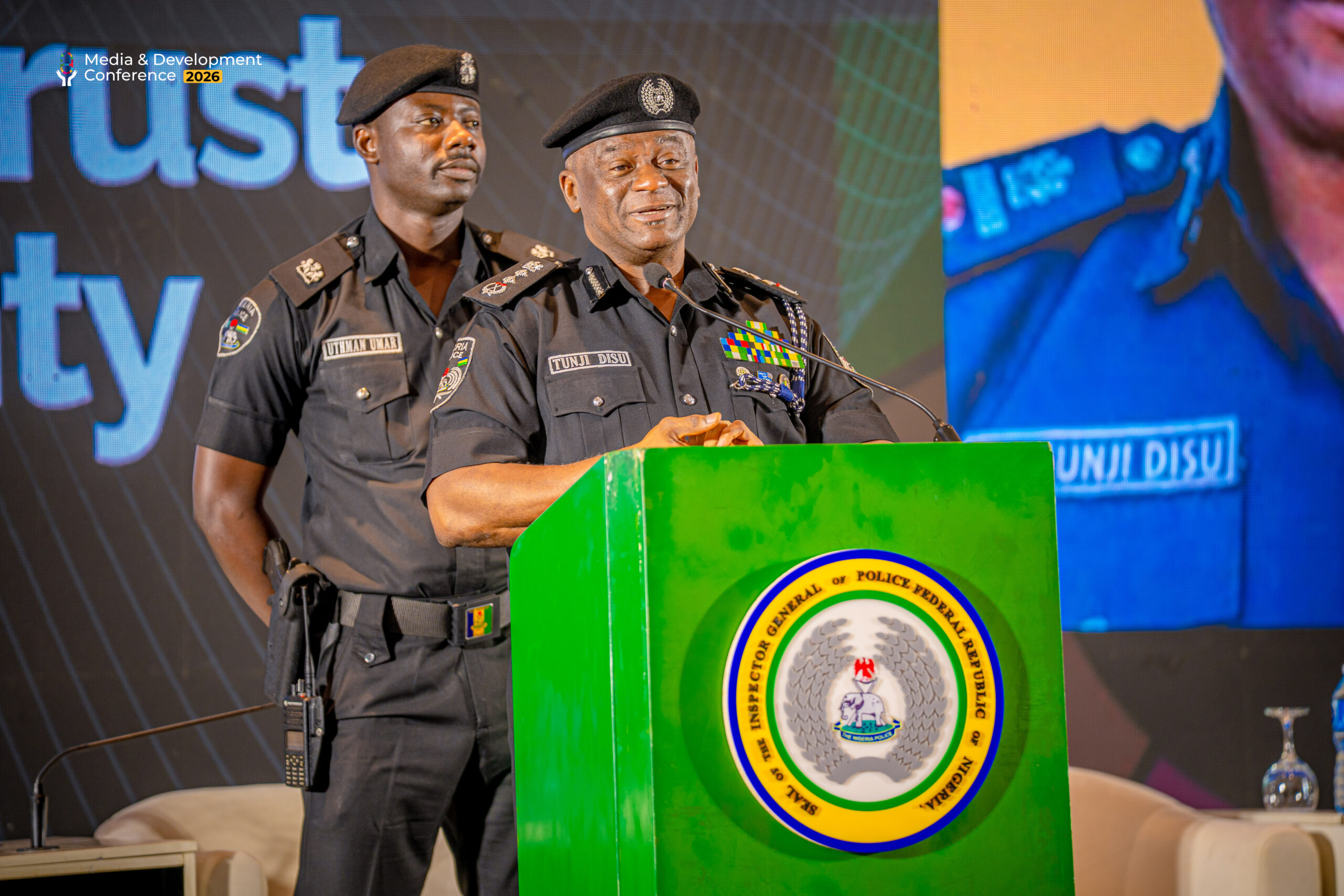
The police chief also acknowledged concerns about the harassment of journalists across the subregion.
A panel discussion on ‘People-Centred Public Safety and State Policing in Nigeria’ further examined the challenges of state policing in Nigeria, with participants highlighting the importance of building public trust, understanding local cultures, using data to address institutional biases and strengthening cooperation among states.
The discussions reflected the wider focus of MDC 2026 on the relationship between journalism, technology and democratic institutions.

